





What Is Ihram in Islam? Complete Rules and Meaning
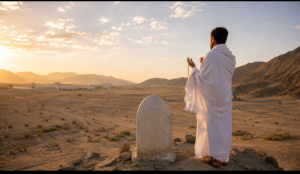
What is Ihram in Islam? Ihram is the sacred spiritual and physical state a Muslim must enter before performing Hajj or Umrah. It involves specific clothing, a declared intention, and a set of restrictions that stay in place until the pilgrim completes the required rituals. Ihram marks the formal beginning of the pilgrimage, and pilgrims must enter this state before crossing the Miqat, the boundary set around Makkah. This guide explains what Ihram means, how to enter it correctly, and what it requires from both men and women.
What Is Ihram in Islam: The Basic Meaning
The word Ihram comes from the Arabic root meaning “to make forbidden.” Once a pilgrim enters Ihram, several everyday actions become off-limits until the pilgrimage rituals finish. This state applies equally to men and women, though the clothing requirements differ between the two.
Allah says in the Qur’an: “And complete the Hajj and Umrah for Allah” (Surah Al-Baqarah 2:196). Scholars point to this verse as part of the foundation for the seriousness pilgrims must bring to the state of Ihram and the rituals that follow it.
The Miqat: Where Ihram Begins
“According to the ,official Miqat guide from the Ministry of Hajj and Umrah, pilgrims must enter Ihram at or before a fixed boundary called the Miqat.”
Five main Miqat points surround Makkah, and each one serves pilgrims arriving from a different direction. Travelers flying into Jeddah often enter Ihram on the plane before landing, since the flight path crosses one of these boundaries.
Entering Makkah without Ihram, when required, carries religious consequences. Most pilgrims coordinate with their airline or travel agency to know exactly when to prepare, since missing the Miqat can complicate the entire pilgrimage.
Ihram Clothing for Men
Men wear two unstitched white cloths during Ihram. One piece wraps around the waist and covers the lower body, while the second piece drapes over the shoulders and upper body. Both pieces stay free of stitching, buttons, or shaped seams, symbolizing equality among all pilgrims regardless of wealth or status.
Men must also avoid covering their heads with a fitted cap or hood during Ihram, though carrying an umbrella for shade remains acceptable. Simple sandals that leave the ankle bones visible complete the outfit.
Ihram Clothing for Women
Women do not wear a specific uniform during Ihram. Instead, they wear modest, loose-fitting clothing that covers the entire body except the face and hands. Many women choose plain, simple garments in Ihram, though Islamic law does not require a specific color like the white worn by men.
Women must keep their faces uncovered during Ihram, even those who normally wear a niqab. If a woman needs privacy from unrelated men nearby, she may lower a loose cloth over her face without it touching her skin directly, then lift it again once the moment passes.
How to Enter the State of Ihram
Before wearing Ihram clothing, pilgrims typically perform ghusl, a full ritual bath, and trim their nails and excess body hair. These steps prepare the body for the sacred state ahead.
After dressing, pilgrims declare their intention (niyyah) for either Hajj or Umrah. This declaration formally marks entry into Ihram. Pilgrims then recite the Talbiyah, a short chant repeated throughout the journey that expresses devotion and submission to Allah.
Restrictions During Ihram
Once a pilgrim enters Ihram, several actions become prohibited until the rituals conclude:
- Cutting or trimming hair and nails
- Using perfume or scented products
- Hunting animals or damaging plant life within the sacred boundary
- Engaging in marital relations or activities that lead toward them
- Wearing stitched clothing for men, or covering the face for women
- Arguing, fighting, or using obscene language
These restrictions push pilgrims toward humility, self-restraint, and focused worship for the duration of their pilgrimage.
What Happens If a Restriction Is Broken?
Islamic scholars classify violations of Ihram restrictions differently depending on severity and intention. Minor unintentional breaches, such as accidentally applying scented soap, often require a small act of expiation, known as fidyah, which can include feeding the poor, fasting, or an animal sacrifice.
Serious deliberate violations carry heavier consequences and may require consulting a knowledgeable scholar to determine the correct expiation. Pilgrims who feel uncertain about a specific situation should seek guidance from a scholar traveling with their group or a trusted local authority in Makkah.
Why Ihram Matters Spiritually
Ihram strips away the outward markers of wealth, nationality, and social status that normally separate people. Every man wears the same simple white cloth, standing beside pilgrims from every country and background, all focused on the same act of worship.
This equality carries deep symbolic meaning. Many scholars compare the simple white garments of Ihram to a burial shroud, reminding pilgrims of their mortality and the temporary nature of worldly possessions and status.
What Is Ihram in Islam: How Long Does It Last?
For Umrah, Ihram lasts only a few hours, from the moment a pilgrim enters this state until they complete Tawaf, Sa’i, and Halq or Taqsir. For Hajj, Ihram lasts several days, since the pilgrimage spans multiple rituals and locations, including Arafat, Muzdalifah, and Mina.
Pilgrims exit Ihram only after completing all required rituals for their specific pilgrimage. Once they finish, the restrictions lift, and normal daily life resumes.
Common Questions About Ihram Clothing and Preparation
Can pilgrims wear a money belt or watch during Ihram?
Yes, simple accessories like a money belt, watch, or glasses remain permitted during Ihram, since Islamic law focuses the restrictions on stitched garments and scented products rather than functional accessories.
What should pilgrims do if their Ihram cloth gets dirty?
Pilgrims can wash or change their Ihram cloth as needed, as long as the replacement stays unstitched and free of scent. Cleanliness does not violate the state of Ihram.
Frequently Asked Questions
What is Ihram in Islam for women specifically?
For women, Ihram refers to the same spiritual state as men, but the clothing requirement simply means modest, loose garments that cover the body while leaving the face and hands visible, without any specific color requirement.
Can a pilgrim shower during Ihram?
Yes, pilgrims can shower during Ihram, but they must avoid scented soap, shampoo, or perfume, since fragrance stays prohibited until the rituals are complete.
Do children need to wear Ihram?
Young children are not religiously obligated to wear Ihram, though many parents dress them in simple Ihram-style clothing for consistency and to introduce them to the pilgrimage experience.
What happens if someone forgets to enter Ihram at the Miqat?
A pilgrim who crosses the Miqat without entering Ihram should return to the boundary to formally enter it if possible. If returning proves impractical, scholars generally require an expiation, so consulting a knowledgeable source becomes important in this situation.
Conclusion
Understanding what Ihram in Islam truly means helps pilgrims prepare properly for one of the most meaningful journeys in their spiritual life. From the simple white garments worn by men to the modest coverage required of women, Ihram strips away worldly distinctions and centers the pilgrim’s focus entirely on worship. “Now that you know what Ihram in Islam requires, preparing correctly, respecting the restrictions, and entering this state with sincere intention will set the tone for a successful Hajj or Umrah.”
If you are preparing for your first pilgrimage, review the Ihram requirements carefully before you travel, pack appropriate clothing, and consult a knowledgeable guide if any questions arise along the way.
Author Bio:
The Explore Islamic World editorial team researches and writes about Islamic history, travel, and practice to help readers connect with authentic knowledge and plan meaningful journeys to the Muslim world. Content is reviewed for accuracy against recognized Islamic sources before publication.

Comments are closed.
-
-
-
-
-
-
Show Comments[…] Hijjah on the Islamic calendar. Millions of pilgrims travel to Mecca during these five days, making Hajj one of the largest annual gatherings on […]
[…] during Hajj is forbidden from the moment a pilgrim enters Ihram, based directly on Quran 2:197. This restriction does not lift all at once, though. It eases only […]
[…] during Ihram are fully permitted for both men and women. Scholars classify them as a necessity, not an […]
[…] commonly link Ihram with repentance and humility. Men’s Ihram consists of two plain white sheets, which remove […]
[…] First, take a bath for cleanliness. Next, put on your Ihram clothes and recite the Talbiyah. The Prophet (PBUH) told Asma bint Umays (RA) to bathe and enter Ihram […]
[…] Unlike men, women do not wear two unstitched cloths. Instead, they wear ordinary modest clothing. The full list of restrictions appears in our guide on Ihram in Islam. […]