




Seeing Kaaba in Dream Islamic Interpretation: 9 True Meanings
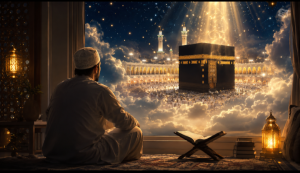
Kaaba in dream interpretation signifies divine blessings, immense goodness, spiritual elevation, safety from fears, and the acceptance of righteous supplications. In classical Islamic dream science, the Holy Kaaba—also known as Baitullah (the House of Allah)—symbolizes the central pillar of faith, a just leader, the path of truth, and a sanctuary for those seeking peace. Whether you saw yourself performing Tawaf, touching the Kiswa, or gazing at the Sacred House from afar, this dream serves as a profound message of hope, guidance, and spiritual renewal for a believer.
According to classical scholars of dream commentary, most notably Imam Ibn Sirin (RA), dreaming of the Holy Sanctuary reflects the state of a person’s religion, worldly life, and connection with Allah (SWT). Depending on your actions and life circumstances, this blessed vision can indicate answered prayers, the opportunity to perform Hajj or Umrah, protection from adversity, or a gentle reminder to return to the straight path through sincere repentance.
Quick Summary: Key Interpretations at a Glance
If you are looking for a quick understanding of your dream of Kaaba meaning, the core interpretations based on classical Islamic scholarly traditions are summarized below:
- Seeing the Kaaba from Afar: Symbolizes hope, spiritual progress, and reaching a cherished goal or aspiration.
- Performing Tawaf Around the Kaaba: Indicates steadfastness in religious duties, fulfilling a vow, paying off debts, and earning divine approval.
- Touching or Kissing the Kiswa (Cover): Signals honor, divine protection, forgiveness of sins, and receiving knowledge from scholars.
- Praying Inside or Facing the Kaaba: Represents complete safety from trials, protection from enemies, and peace of heart.
- Crying at the Holy Sanctuary: Means immediate relief from hardships, emotional healing, and the acceptance of long-held Duas.
- Drinking Zamzam Near the House of Allah: Denotes physical healing from illness, mental peace, and gaining beneficial knowledge.
Core Symbolic Meanings of Kaaba in Dream Interpretation”
In kaaba in dream interpretation, the Sacred Mosque holds the highest spiritual position as the Qibla (direction of prayer) for all Muslims worldwide. When it appears in a dream, scholars interpret it through three foundational dimensions: religious authority, spiritual direction, and divine safety.
First, the Kaaba represents a righteous leader, a just ruler, or a spiritual guide. Seeing the Baitullah in a healthy and radiant condition signifies justice, prosperity, and peace within the Muslim community. Second, it symbolizes the straight path (Sirat al-Mustaqim). It reflects the dreamer’s devotion to the daily prayers, the Sunnah, and religious duties.
Third, the Sacred House represents ultimate refuge and peace. Allah (SWT) explicitly describes the sanctuary in the Holy Qur’an as a place of security for humanity:
“Allah has made the Kaaba, the Sacred House, an establishment for the people and a place of peace and safety.” — (Surah Al-Ma’idah, Verse: 97)
Detailed Kaaba in Dream Interpretation by Scenario
The exact meaning of your dream depends heavily on the specific actions you performed near the Sacred House. Classical dream interpreters have categorized these scenarios into distinct spiritual insights.
1. Seeing the Kaaba from a Distance
If you stand at a distance and gaze upon the Kaaba without reaching it, the vision represents a noble aspiration. It indicates that you are on the correct path toward achieving a major life goal or a spiritual milestone. Scholars view this as an encouragement from Allah (SWT) to remain patient, keep striving, and maintain consistent prayers.
2. Performing Tawaf (Circumambulation)
Dreaming of circumambulating the Kaaba reflects deep spiritual devotion and steadfastness. If you complete seven rounds of Tawaf in your dream, it indicates that you will successfully fulfill an important religious duty, honor a pledge, or discharge an outstanding financial debt. It is a clear sign of divine pleasure and stability in your faith.
3. Touching the Kaaba or Holding the Kiswa
Holding the Kiswa (the black cloth covering the Holy Sanctuary) or placing your hands upon its blessed walls represents clinging to the rope of Allah. This scenario portends divine protection from harm, forgiveness for past shortcomings, and gaining honor within your family and community. It also suggests that you will benefit from the wisdom of righteous scholars or pious elders.
4. Praying Inside or in Front of the Sacred House
Offering Salah directly facing the House of Allah—or inside its interior—is one of the most reassuring dreams a believer can experience. It signifies complete safety from major trials, anxieties, or personal conflicts. If you were facing intense fear or uncertainty in your waking life, this dream promises that Allah (SWT) will grant you peace, security, and victory over hardships.
5. Crying in Front of the Kaaba
Shedding tears while gazing at or touching the Kaaba symbolizes the shedding of worldly grief and distress. In Islamic dream science, weeping at a sacred site indicates sincere repentance, the removal of heavy burdens, and the immediate acceptance of your supplications. Relief and ease will soon replace your current emotional struggles.
6. Drinking Zamzam Water Near the Kaaba
Drinking the blessed water of Zamzam in the presence of the Baitullah carries two profound promises. If you are struggling with a physical or mental ailment, it portends swift healing and restored health. If you are seeking wisdom, it signifies that Allah (SWT) will bless you with beneficial knowledge, clarity of mind, and sound judgment.
Kaaba in Dream Interpretation Based on Personal Life Circumstances
Islamic dream analysis considers the individual life situation of the dreamer, as spiritual messages adapt to a person’s immediate needs and status.
For Single Men and Women
For an unmarried person, seeing the Holy Sanctuary is a glad omen of a blessed marriage. It indicates that you will soon be united with a pious, honorable, and caring spouse who will bring stability, joy, and spiritual growth to your life.
For Married Individuals and Parents
For married individuals, this vision heralds domestic harmony, household blessings, and relief from financial stress. It also promises righteous children who will grow up to be a source of respect and joy for their parents.
For an Ailing or Sick Person
If a person suffering from an illness dreams of visiting, touching, or praying at the Baitullah, classical scholars view it as a powerful sign of recovery. It indicates that Allah (SWT) will restore their physical strength and grant them renewed vigor.
Warning Signs in Kaaba Dream Interpretation”
In kaaba in dream interpretation, an unusual or concerning vision is not meant to cause panic — classical scholars treat these as gentle spiritual warnings (Nasiha) intended to help the believer correct their path.
- Praying in the Wrong Direction: Suggests being distracted by worldly desires, adopting misguided opinions, or neglecting the established Sunnah.
- Seeing the Kaaba Damaged or Neglected: Indicates a lack of discipline in maintaining daily prayers or failing to fulfill religious obligations.
- Standing on Top of the Kaaba: Represents an improper innovation in faith or taking religious matters too lightly, serving as a call to humble oneself and seek forgiveness.
If you experience an improper or distressing dream, Islamic tradition advises seeking refuge in Allah (saying A’udhu billahi min ash-shaytan ir-rajim), spitting lightly three times over your left shoulder, turning to your other side, and refraining from sharing the dream with anyone.
Etiquettes of Handling Good Dreams in Islam
When Allah grants you a pleasant and spiritually uplifting dream, you should follow the Sunnah guidelines established by the Prophet Muhammad (PBUH). Narrated by Abu Qatadah (RA), the Messenger of Allah (PBUH) said:
“A good dream is from Allah. So if anyone of you sees a dream which he likes, he should not tell it to anyone except the one whom he loves.” — (Sahih al-Bukhari, Hadith: 7044)
Recommended Actions Upon Waking:
- Express Gratitude: Say “Alhamdulillah” (All praise is due to Allah) immediately upon remembering the blessed vision.
- Share Selectively: Do not post your dream publicly or mention it to envious individuals. Share it only with trusted scholars, pious family members, or loving friends.
- Increase Good Deeds: Use the dream as spiritual motivation to perform voluntary prayers, give charity (Sadaqah), and recite the Qur’an more frequently.
Frequently Asked Questions (FAQs)
Does seeing the Kaaba in a dream mean I will go to Hajj soon?
Yes, in kaaba in dream interpretation, many classical commentators note that seeing the House of Allah often precedes an opportunity to perform Hajj or Umrah. If you have held a deep desire to visit the Sacred Mosque, this dream serves as a positive sign that your intention may soon be realized.
What does it mean if I see the Kaaba without its Kiswa (Cover)?
Gazing upon the Holy Sanctuary without its Kiswa indicates a reminder to avoid heedlessness in your spiritual duties. It encourages the dreamer to guard their daily prayers, practice sincerity, and seek refuge from worldly distractions.
Can a non-Muslim dream about the Holy Kaaba?
Yes. If a non-Muslim sees the Baitullah in a dream, Islamic scholars interpret it as a divine invitation toward truth, peace, and spiritual guidance. It signifies that the individual is being drawn toward the light of monotheism and righteous living.
Conclusion
This overview of kaaba in dream interpretation confirms that seeing the Holy Kaaba in a dream is an undeniable spiritual gift filled with mercy, safety, and glad tidings. Whether it promises the acceptance of your Duas, relief from long-standing fears, or the fulfillment of a life goal, this vision calls you to draw closer to your Creator. Reflect on the state of your heart, strengthen your daily prayers, and move forward with renewed faith and gratitude.
Final Thoughts on Kaaba in Dream Interpretation
Have you recently experienced a spiritual dream or sought guidance on Islamic symbols? We would love to hear your thoughts! Leave a comment below sharing your experiences, or explore our comprehensive guide on Islamic Dream Interpretation to discover the authentic Qur’anic and Hadith meanings behind other spiritual symbols. Don’t forget to subscribe to Explore Islamic World for more verified, research-backed Islamic guides delivered straight to your inbox!
Author Description
Explore Islamic World Editorial Team
The Explore Islamic World Editorial Team is dedicated to delivering accurate, authentic, and research-backed Islamic knowledge. Grounded in the Holy Qur’an, authentic Hadith collections, and classical scholarly commentaries, our work is carefully reviewed to ensure clarity, theological precision, and reader trust.

Comments are closed.
-
-
-
-
-
-
-
-
-
-
Show Comments[…] this blessed vision opens doors of Rahmah (mercy). Scholars mention that legitimate supplicationssupplications (Dua) made after such a dream are swiftly accepted by […]
[…] UmrahUmrah refers to visiting the Holy Kaaba to perform specific rituals. These include wearing the Ihram, […]
[…] can perform Umrah any time, except during the days reserved for Hajj. Many pilgrims choose Ramadan. The Prophet Muhammad (peace be upon him) said Umrah during Ramadan […]
[…] to Hajj (Sahih al-Bukhari 1863). Nightly Taraweeh prayers and a deeply spiritual atmosphere fill Makkah and Madinah throughout the […]
[…] says in the Qur’an: “And complete the Hajj and Umrah for Allah” (Surah Al-Baqarah 2:196). Scholars point to this verse as part of the foundation for the […]
[…] gather at the Kaaba, the sacred site central to both Hajj and Umrah.Many Muslims confuse Hajj and Umrah, yet the two pilgrimages differ in obligation, timing, and rituals. This guide breaks down the Hajj […]
[…] mandatory acts of worship are not accepted. These include daily prayers (Salah), Tawaf around the Holy Ka’bah, and directly touching the Arabic text (Mushaf) of the […]
[…] Islam takes true dreams seriously. The Prophet ﷺ said a righteous person’s good dream is one of forty-six parts of prophecy (Sahih al-Bukhari 6983). He also taught that a true dream comes from Allah, while a disturbing dream comes from Satan (Sahih al-Bukhari 6984). Classical scholars such as Ibn Sirin built entire schools of dream interpretation around this teaching. As a result, dreams involving Salah or Quran recitation are treated as spiritually significant rather than random. “The same principle applies to other well-known dream topics, such as Seeing Kaaba in a Dream.” […]
[…] together with Ismail (AS), raised the foundations of the Kaaba (Qur’an 2:127). Therefore, a vision tied to the Kaaba deserves thoughtful […]
[…] Prophet Muhammad (PBUH) taught that a good dream comes from Allah (SWT). A disturbing dream comes from Shaytan (Sahih al-Bukhari 6984; Sahih Muslim […]