





Sex During Hajj: Rules for Every Stage of Ihram and Tahallul
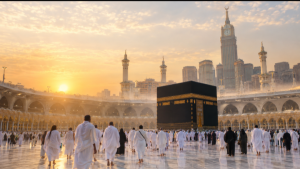
Sex during Hajj is forbidden from the moment a pilgrim enters Ihram, based on Qur’an 2:197. The ban lifts only after the second, full Tahallul. Before Arafah, it invalidates the Hajj. Umrah has a simpler rule, because pilgrims exit Ihram only once.
Reviewed for accuracy against authentic sources.
Many couples reach Makkah with one quiet question about sex during Hajj. When exactly do the restrictions of Ihram end? The answer is not a single moment, because Hajj has two stages of exit.
This guide explains the ruling stage by stage. You will see the Qur’anic evidence, the early scholarly opinions, and the penalties. Lastly, you will learn where schools differ, so you know when to ask a scholar.
Sex During Hajj by Stage: Quick Overview
Scan this table first. Then read the details of each stage below.
| Stage | Status | Result If Violated |
|---|---|---|
| Ihram, before Arafah | Completely forbidden | Hajj becomes invalid. Finish the rites, repeat Hajj later, and offer a sacrifice. |
| After Arafah, before first Tahallul | Still forbidden | Hajj generally stays valid, but a sacrifice is required. |
| Between first and second Tahallul | Still forbidden | Ihram restrictions remain for this act, and a penalty applies. |
| After second (full) Tahallul | Permitted | No penalty |
Scholars differ on the exact animal for sex during Hajj, and on the cut-off point after Arafah. Therefore, ask a qualified scholar about the ruling of your own school.
What the Qur’an Says
The core ruling comes from Qur’an 2:197. It says there shall be no rafath, no wickedness, and no disputing during Hajj. Scholars explain rafath here as sexual intercourse and its preliminaries.
Ibn Abbas and Ibn Umar, two companions of the Prophet (PBUH), explained the word in this way. Their explanation shaped how later scholars read the verse.
Ibn Kathir also notes that the Qur’an uses the same root in the verse on fasting. There, it describes marital relations on the nights of Ramadan (Qur’an 2:187). This supports the direct, literal reading.
The Prophet (PBUH) also gave a great reward for avoiding this. Avoiding rafath and wickedness brings pure reward. Such a pilgrim returns as on the day his mother bore him (Sahih al-Bukhari: 1521; Sahih Muslim: 1350).
Before Reaching Arafah
The most serious case happens before Wuquf, the standing at Arafah. Arafah is the central pillar of Hajj. Therefore, sex during Hajj before this point invalidates the entire pilgrimage.
Early companions, including Umar, Ali, and Abu Hurairah, gave a clear ruling. The couple must complete the remaining rites of that Hajj. Then they must repeat Hajj in a later year (Muwatta Imam Malik).
A sacrifice is also required. The Hanbali and Shafi’i schools mention a camel (badanah), while the Hanafi school mentions a sheep. If the wife took part willingly, she shares the same obligations.
After Arafah and Before Tahallul
The situation changes once the pilgrim completes Wuquf. Since the central pillar is now fulfilled, most scholars say intercourse no longer cancels the Hajj itself.
A penalty still applies, however. Most scholars require a sacrifice. The schools differ on whether it is a camel or a sheep, so follow your scholar’s guidance.
Some scholars, such as those of the Maliki school, set the cut-off point differently. For that reason, a couple in this situation should ask a scholar quickly.
Understanding Tahallul: Why Restrictions Lift in Stages
Tahallul means formally leaving the restrictions of Ihram. Many pilgrims assume this happens all at once. In reality, Hajj has two separate stages.
Three acts decide these stages. They are stoning Jamrat al-Aqabah, shaving or trimming the hair, and Tawaf al-Ifadah with Sa’i. The first Tahallul (Tahallul al-Asghar) happens after completing two of these three.
After the first Tahallul, most restrictions end. Pilgrims may wear normal clothes and use perfume. Aisha (RA) reported that the Prophet (PBUH) said everything becomes lawful except women (Sunan Abi Dawud: 1978).
The second Tahallul (Tahallul al-Akbar) needs all three acts. Only then does sex during Hajj become permitted again within marriage. This staged system explains why the ruling can feel confusing.
Tamattu, Qiran, and Ifrad: How the Timeline Changes
The type of Hajj you perform changes your Ihram timeline. This point confuses many couples. Therefore, check which type your group follows.
| Type | Ihram Pattern | Effect on Marital Relations |
|---|---|---|
| Tamattu | Umrah first, exit Ihram, then enter a new Ihram for Hajj | Permitted between Umrah and the new Ihram. Forbidden again once the Hajj Ihram begins. |
| Qiran | Umrah and Hajj in one Ihram | Forbidden until the Hajj Tahallul rules allow it |
| Ifrad | Hajj only | Forbidden until the Hajj Tahallul rules allow it |
Most pilgrims from outside Saudi Arabia perform Tamattu. So, they must track two Ihram periods when thinking about sex during Hajj and Umrah.
Sex During Umrah: A Simpler Timeline
Umrah has one continuous set of rites. A pilgrim wears Ihram and performs Tawaf, then Sa’i between Safa and Marwa. Finally, the pilgrim trims or shaves the hair. See our guide on how to perform Umrah step by step for details.
After these steps, the pilgrim exits Ihram completely. Sex during Umrah then becomes permitted at once, with no second stage.
However, intercourse before finishing the rites of Umrah invalidates that Umrah. The couple must complete it, repeat it, and offer a sacrifice, according to most scholars.
Other Acts Covered by the Same Ruling
The word rafath covers more than intercourse. Kissing, embracing, and explicit talk about intimacy also fall under the restriction during Ihram. Ma’arif-ul-Quran and other commentaries explain this broader meaning.
However, scholars note one distinction. Ordinary, respectful conversation between spouses remains fine. What is forbidden is explicit sexual speech or intent.
How the Four Schools Approach This Ruling
All four Sunni schools agree on the core prohibition, because it comes from an explicit verse. They also agree that intercourse before Arafah invalidates Hajj.
Differences appear in the details. These include the type of animal, the cut-off point after Arafah, and some edge cases. Ibn Qudamah’s Al-Mughni gives a detailed Hanbali discussion that later scholars often cite.
So, do not rely on one summary alone. Ask your group scholar which opinion your school follows.
Does the Ruling Differ for Women?
The prohibition on sex during Hajj applies equally to both spouses. If a wife takes part knowingly and willingly, she generally carries the same obligations. Verse 2:197 makes no distinction by gender.
If a husband forces his wife, many scholars place the penalty on him. This follows the Islamic principle that coercion lifts blame from the one coerced.
Comparing This to Other Ihram Violations
Sex during Hajj carries heavier consequences than most Ihram mistakes. For example, accidental perfume or nail clipping usually needs a small act, such as feeding the poor.
The reason is textual weight. Here, the Qur’an names rafath directly, alongside wickedness and disputing. Other restrictions come mainly from Hadith and juristic reasoning.
Why Many First-Time Pilgrims Feel Unsure
Most guides focus on the rituals themselves. As a result, couples often arrive in Mina or Makkah without a clear picture of this timeline. Language adds to the problem, because many English texts translate Tahallul loosely as “completing Hajj.”
Embarrassment also plays a role. Many people hesitate to ask an imam about something personal. However, scholars welcome sincere questions, and they answer them with respect. Therefore, ask early, and ask without shame.
Historical Precedent From the Companions
The early ruling carries real weight in Islamic law. Umar, Ali, and Abu Hurairah reached very similar conclusions. In each case, the couple completes the current Hajj and repeats it later.
Later scholars from all four schools built on this early agreement. For this reason, the ruling does not rest on one isolated opinion. It rests on a clear Qur’anic verse and a consistent line of companion practice.
How the Required Penalty Is Fulfilled
Pilgrims usually arrange the sacrifice through official Hajj channels in Makkah. This works much like the regular Hajj sacrifice. The larger animal, such as a camel, costs more than a sheep.
Prices and procedures change from year to year. Therefore, ask your operator or a scholar for the current process. Also keep proof of payment, so the sacrifice is clearly completed.
Remember that sincere repentance matters as well. A couple who makes a mistake should turn to Allah (SWT) with regret, and then follow the scholar’s guidance.
Etiquette for Couples During Hajj
Hajj is crowded, tiring, and emotional. Therefore, couples need patience with each other. Speak gently, share tasks, and avoid arguments, since the Qur’an also forbids disputing in Hajj (Qur’an 2:197).
Many groups house men and women separately during Hajj. This arrangement protects both partners from accidental mistakes. So, accept it as part of the discipline of the pilgrimage.
Practical Advice for Married Couples
Plan around the rules on sex during Hajj before you travel. Knowing when restrictions lift prevents accidental violations during a demanding trip.
- Review the stages together: Discuss the two Tahallul stages before departure.
- Confirm your Hajj type: Ask your operator whether you perform Tamattu, Qiran, or Ifrad.
- Choose a scholar early: Save the contact of a trusted scholar or group guide.
- Act quickly if a mistake occurs: Ask a scholar right away, because the penalty depends on timing.
Group leaders can also give first guidance. Most experienced leaders have heard these questions before and can direct you to a qualified scholar.
Common Mistakes Couples Make
- Assuming the first Tahallul ends everything: Intimacy needs the second, full Tahallul.
- Mixing Hajj and Umrah timelines: Tamattu has two Ihram periods, while Qiran has one.
- Thinking only intercourse is restricted: Preliminaries and explicit talk are also covered.
- Delaying a question: Embarrassment should never stop you from asking a scholar.
Key Terms Glossary
| Term | Meaning |
|---|---|
| Ihram | The sacred state a pilgrim enters before Hajj or Umrah. |
| Rafath | Intercourse and its preliminaries, forbidden in Ihram. |
| Tahallul | The process of leaving Ihram, in two stages for Hajj. |
| Wuquf | The standing at Arafah, the central pillar of Hajj. |
| Badanah | A camel sacrifice, named in some schools as a penalty. |
Guidance for Newlywed and First-Time Pilgrims
Newlywed couples may find this restriction hard. A new marriage adds emotional weight to an already intense trip. Even so, patience and clear communication make it easier.
Scholars encourage couples to prepare together. Learn the timeline in advance, and support each other with kindness. As a result, both partners can focus on worship.
The Spiritual Purpose Behind This Ruling
Hajj is a time of deep spiritual focus, set apart from worldly matters. Restricting intimacy supports that focus, alongside other limits such as avoiding perfume and hunting.
Scholars often present the rule on sex during Hajj as training, not a burden. The staged Tahallul also carries meaning, since normal life returns step by step after worship.
Frequently Asked Questions (FAQ)
Is Sex Ever Permitted Before the Second Tahallul?
Answer: No. It stays forbidden until the second, full Tahallul, whatever day of Hajj it is.
Does Intercourse Always Invalidate the Pilgrimage?
Answer: No. It invalidates Hajj only if it happens before Wuquf at Arafah. After Arafah, Hajj generally stays valid, but a penalty applies.
What Is the Difference Between the First and Second Tahallul?
Answer: The first lifts most restrictions, such as normal clothing and perfume. The second needs all three key acts, and it permits marital relations again.
Is Umrah’s Rule the Same as Hajj’s Rule?
Answer: No. Umrah has a single exit from Ihram. Once Tawaf, Sa’i, and the trim are complete, intimacy becomes permitted.
What Should a Couple Do After an Accidental Violation?
Answer: Consult a knowledgeable scholar as soon as possible. The penalty depends on the exact stage and circumstances.
Does Tamattu or Qiran Change These Rules?
Answer: Yes. Tamattu has two Ihram periods, so relations are permitted between Umrah and the Hajj Ihram. Qiran has one Ihram, so the restriction continues until Hajj Tahallul.
Is Kissing or Hugging Allowed in Ihram?
Answer: Most scholars forbid it when it comes with desire, because rafath includes preliminaries. Ordinary, non-intimate courtesy between spouses is generally fine.
Final Thoughts
Sex during Hajj follows a clear, staged timeline, not a single on-off rule. Knowing the difference between the first and second Tahallul prevents confusion for many first-time pilgrims.
Umrah, by contrast, has a simpler single-stage timeline. Couples planning either trip should review these rules together before departure. Share this guide with a couple preparing for Hajj. And Allah knows best.
References
- The Holy Qur’an: 2:187 and 2:197
- Sahih al-Bukhari: 1521
- Sahih Muslim: 1350
- Sunan Abi Dawud: 1978
- Muwatta Imam Malik, Book of Hajj
- Tafsir Ibn Kathir, Ma’arif-ul-Quran, and Ibn Qudamah’s Al-Mughni
Author Bio
Explore Islamic World Editorial Team
The Explore Islamic World editorial team writes each guide from the Qur’an, Sahih al-Bukhari, Sahih Muslim, and Ibn Kathir’s tafsir. We check every Hadith number against Sunnah.com before publishing. Where scholars differ, we present each view fairly.

Comments are closed.
[…] people assume forgiveness or change must wait for a special occasion, like Ramadan or Hajj. However, the Qur’an and Sunnah both point to something simpler: today’s morning is […]