





Best Time to Perform Umrah: A Season-by-Season Guide
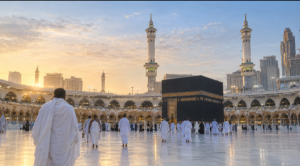
The best time to perform Umrah depends on what matters most to you: cooler weather, smaller crowds, lower travel costs, or the extra spiritual reward of Ramadan. Winter months bring the most comfortable temperatures and manageable crowds, making them ideal for families and elderly pilgrims. Ramadan offers the greatest spiritual reward but also the largest crowds and highest prices. This guide breaks down each season in detail, so you can pick the window that fits your priorities.
What Affects the Best Time to Perform Umrah?
Several factors shape your Umrah experience. Weather changes drastically across the year in Saudi Arabia. Crowd size shifts around the Islamic calendar and school holidays. Prices for flights and hotels rise and fall with demand. Your own health, age, and schedule also matter.
- Weather: Summer temperatures in Makkah and Madinah can pass 40°C, while winter stays cool and comfortable.
- Crowds: Ramadan and school holidays draw the largest number of pilgrims.
- Cost: Flights and hotels cost more during Ramadan and winter peak weeks, and less during the quiet months right after Hajj.
- Spiritual value: Scholars regard Ramadan as the most rewarding month for Umrah.
- Health: Elderly pilgrims and young children handle cooler months more easily than extreme summer heat.
- Personal schedule: Work leave and school holidays often decide which months actually work for your family.
No single month suits everyone. A young, healthy traveler on a tight budget may thrive during a hot, quiet month that an elderly pilgrim would find exhausting. Think through your own priorities before you lock in your travel dates.
Winter (November to February): The Most Comfortable Season
“Winter stands out as the best time to perform Umrah for comfort. Check the Makkah weather forecast before you travel — daytime temperatures usually stay mild, making Tawaf and Sa’i much easier.”
. Cooler evenings also make it simpler to spend longer hours in prayer without exhaustion.
This season works especially well for first-time pilgrims and older travelers. Physical comfort during Tawaf and Sa’i often supports longer, more focused worship, since you spend less energy fighting the heat.
Crowds pick up during winter school holidays, especially in December and January. Book your travel early if you plan to go during this window, since hotels near the Haram fill up fast. Prices also climb during these peak winter weeks, so compare rates across several weeks before you commit to specific dates.
Who Should Choose Winter for Umrah?
Winter suits families traveling with young children, elderly relatives, or anyone with health conditions that make heat difficult to handle. It also suits pilgrims who want a comfortable first experience before considering a more crowded or physically demanding season like Ramadan.
Ramadan: The Most Spiritually Rewarding Time
Many Muslims consider Ramadan the best time to perform Umrahperform Umrah, since the Prophet Muhammad (peace be upon him) said Umrah during Ramadan holds reward equal to Hajj (Sahih al-Bukhari 1863). Nightly Taraweeh prayers and a deeply spiritual atmosphere fill Makkah and Madinah throughout the month.
The spiritual intensity of Ramadan draws pilgrims from every corner of the world. Many travelers describe the atmosphere inside Masjid al-Haram during this month as unmatched, with the sound of recitation and prayer filling the courtyard around the clock.
This spiritual value comes at a cost. Crowds swell dramatically, especially during the last ten nights, when many Muslims seek Laylatul Qadr. Flights and hotel rooms sell out early and cost significantly more than in other months. First-time pilgrims who struggle with large crowds may want to avoid the final third of Ramadan.
Is Ramadan the Best Time to Perform Umrah for Everyone?
Ramadan suits pilgrims who prioritize spiritual reward over comfort and who can tolerate long lines and packed prayer areas. Elderly travelers, young children, and first-time pilgrims may find the crowds overwhelming. A shoulder season often works better for these groups, while experienced pilgrims often plan their entire year around a Ramadan Umrah.
How to Manage Ramadan Crowds
If you choose Ramadan, plan your Tawaf and Sa’i during quieter hours, such as right after Fajr or late at night. Book your hotel and flights months in advance. Consider the first or middle third of Ramadan instead of the last ten nights, since crowd density rises sharply as Laylatul Qadr approaches.
Post-Hajj Months (Muharram and Safar): The Quietest Time
The months right after Hajj bring the lowest crowds of the year. Pilgrim numbers drop sharply once Hajj ends, giving you more space to move freely around the Kaaba and complete rituals without long waits.
This quiet period also brings the lowest travel costs of the year. Airlines and hotels lower prices sharply once the Hajj rush ends, since demand falls off quickly. Pilgrims who prioritize budget over weather often choose this window.
Summer heat still lingers during this period in some years, depending on the Islamic calendar’s rotation through the seasons. Since the Islamic calendar follows the lunar cycle, Hajj shifts roughly eleven days earlier each solar year, which means the post-Hajj months land in different seasons over time.
Tips for Performing Umrah During Hot, Quiet Months
- Stay hydrated throughout the day and carry water with you at all times.
- Avoid the midday sun and plan outdoor movement for early morning or evening.
- Perform Tawaf late at night, between 11 PM and 3 AM, when temperatures drop and crowds thin out.
- Wear light, breathable fabrics designed for hot climates.
Spring and Autumn: A Balanced Shoulder Season
Spring and autumn offer a middle ground between Ramadan’s crowds and winter’s higher prices. Weather stays warm but manageable, and crowd levels remain moderate rather than overwhelming.
These shoulder months work well for pilgrims who want reasonable weather, moderate costs, and a calmer experience than peak season, without the deep quiet of the post-Hajj months. Many travel agencies price shoulder-season packages lower than winter or Ramadan trips, which makes this window attractive for budget-conscious families.
Spring, particularly March, draws a moderate number of pilgrims looking to complete Umrah before Ramadan begins. Autumn, especially October and November, appeals to pilgrims who want cooler weather without the price spike of December and January.
How Friday Affects Every Season
Regardless of which season you choose, Fridays bring larger crowds than other weekdays. Local residents of Saudi Arabia often perform Umrah on Fridays, since it falls on the weekend in the country. If you want a quieter experience, avoid scheduling your main rituals on a Friday, no matter which month you travel.
How to Choose the Best Time to Perform Umrah for You
- Want the strongest spiritual reward and don’t mind crowds? Choose Ramadan.
- Traveling with elderly relatives or young children? Choose winter for comfortable weather and moderate crowds.
- Want the lowest cost and quietest rituals? Choose the months right after Hajj.
- Want a balance of good weather, cost, and crowd size? Choose spring or autumn.
- Traveling alone and comfortable with heat? Consider a quiet summer month for the lowest prices and shortest lines.
Frequently Asked Questions
What is the cheapest time to perform Umrah?
The months immediately following Hajj usually offer the lowest flight and hotel prices, since demand drops sharply once the Hajj season ends.
Can weather affect which rituals feel harder to perform?
Yes. Summer heat makes Tawaf and Sa’i more physically demanding, especially for elderly pilgrims. Many pilgrims shift these rituals to late night or early morning during hot months to stay cooler.
Does Friday affect crowd levels?
Yes. Local residents often perform Umrah on Fridays, since it falls on the weekend in Saudi Arabia. Expect larger crowds on Fridays regardless of the season.
How far in advance should I book Umrah travel?
Book at least two to three months ahead for winter or Ramadan travel, since hotels near the Haram sell out quickly during these peak periods. Off-peak months allow more flexibility with shorter booking windows.
Is it better to perform Umrah alone or with a group?
Both options work well. Solo travelers often enjoy more flexibility with timing, while group packages simplify logistics like visas, transport, and accommodation, especially for first-time pilgrims.
Final Thoughts on the Best Time to Perform Umrah
There is no single best time to perform Umrah for every pilgrim. Winter suits comfort, Ramadan suits spiritual reward, and the post-Hajj months suit those seeking quiet and lower costs. Spring and autumn offer a balanced option for travelers who want moderate weather and moderate crowds. Match the season to your health, budget, and spiritual priorities, and book your travel well ahead of your chosen window.
Still deciding when to go? Weigh your priorities against the seasons above, and plan your trip around the experience that matters most to you.
Author Bio:
The Explore Islamic World editorial team researches and writes about Islamic history, travel, and practice to help readers connect with authentic knowledge and plan meaningful journeys to the Muslim world. Content is reviewed for accuracy against recognized Islamic sources before publication.

Comments are closed.
[…] Umrah, Ihram lasts only a few hours, from the moment a pilgrim enters this state until they complete […]
[…] Pilgrims often visit this mosque before or after completing Hajj. The peaceful atmosphere and historic significance make it unforgettable. […]
[…] first trip? Our How to Perform Umrah Step by Step guide walks through the whole process. Next, the Best Time to Perform Umrah guide helps you choose the ideal season based on weather and crowd […]
[…] Therefore, check the official Nusuk rules before you plan a trip near that time. Our guide on the best time to perform Umrah shows the calmest […]