





Performing Hajj for the First Time: A Complete Guide for Beginners
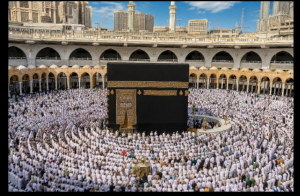
Performing Hajj for the first time is a deeply moving dream harbored in the heart of every Muslim. Being invited as a guest to the House of Allah (Baytullah) is a profound spiritual privilege. If you are preparing to perform Hajj for the first time, it is natural to have questions, anxiety, and anticipation. Ensuring that this sacred pilgrimage is fulfilled correctly according to the authentic Sunnah is of paramount importance. With proper guidance, this journey transforms into a smooth, reassuring, and spiritually uplifting experience. To assist first-time pilgrims, this comprehensive step-by-step guide covers everything you need to know about performing Hajj for the first time with confidence and peace of mind.
Performing Hajj for the First Time: Significance and Spiritual Weight
Hajj stands as one of the fundamental five pillars of Islam, representing a unique union of physical effort and financial sacrifice. When a believer steps away from worldly distractions and responds to the divine call of their Creator, they undergo a profound spiritual rebirth.
Numerous prophetic traditions highlight the immense virtues of Hajj. The Messenger of Allah (peace and blessings be upon him) proclaimed the unmatched status of Hajj Mabrur (an accepted Hajj).
Authentic Hadith Reference: Narrated by Abu Hurairah (may Allah be pleased with him), the Messenger of Allah (peace and blessings be upon him) said: “An ‘Umrah to another ‘Umrah is an expiation for the sins committed between them, and the reward for Hajj Mabrur (an accepted Hajj) is nothing less than Paradise.” (Sahih al-Bukhari: 1773, Sahih Muslim: 3289)
Therefore, when performing Hajj for the first time, our primary objective must be ensuring our pilgrimage is accepted as Hajj Mabrur in the court of Allah.
Pre-Safar Preparation: The Most Critical Phase
Thorough preparation is the foundation of a successful pilgrimage when performing Hajj for the first time. Preparation can be categorized into three essential areas: spiritual, physical, and administrative.
1. Spiritual Preparation and Intention (Niyyah)
- Purifying Sincerity (Ikhlas): Form your intention solely for the pleasure of Allah. Distance your heart from worldly recognition or the desire for titles.
- Repentance (Tawbah): Seek sincere forgiveness from Allah for all past shortcomings and sins.
- Fulfilling Rights of Others (Huquq al-‘Ibad): Settle outstanding debts, seek forgiveness from relatives and neighbors, and mend broken relationships.
2. Physical Conditioning
Hajj requires significant walking—often miles each day across Mina, Arafat, and Muzdalifah under warm temperatures.
- Build Walking Endurance: Begin daily brisk walks of 20 to 30 minutes at least one to two months prior to your departure date.
- Medical Readiness: Consult your physician regarding chronic conditions (such as diabetes, hypertension, or asthma) and pack a sufficient supply of prescribed medications.
3. Essential Packing Checklist
- Clothing: For men, bring 2–3 sets of unstitched white cotton Ihram garments. For women, pack modest, loose-fitting attire.
- Footwear: Comfortable, lightweight walking shoes or sandals. Men must ensure the footwear leaves the ankles and top of the foot exposed.
- Personal Essentials: Unscented soap, unscented lotion, toothbrush, travel tissues, a compact umbrella, and sun protection.
- Travel Documents: Keep your passport, visa, vaccination cards, and emergency contact details securely in a neck pouch or small crossbody bag at all times.
Miqat and the Rules of Ihram
Pilgrims performing Hajj for the first time often experience confusion surrounding the boundary of Miqat. The Miqat refers to the designated geographical boundaries that one must not cross without entering the sacred state of Ihram.
Step-by-Step Instructions for Entering Ihram
-
- Personal Hygiene: Take a ritual bath (Ghusl) or perform ablution (Wudu), trim nails, and groom personal hygiene.
- Attire: Men wrap two unstitched pieces of white cloth around the body. Women wear their normal, modest clothing.
- Forming the Intention: Make the intention (Niyyah) in your heart and state it verbally. Once the intention is voiced, you enter the sacred prohibitions of Ihram.
- Reciting the Talbiyah: Upon making the intention, continuously recite the Talbiyah aloud (men) or softly (women):
The Talbiyah: “Labbayk Allahumma Labbayk, Labbayka la sharika laka Labbayk, Innal-hamda wan-ni’mata laka wal-mulk, La sharika lak.”
(Here I am at Your service, O Allah, here I am. Here I am, You have no partner, here I am. Truly all praise, favor, and sovereignty belong to You. You have no partner.)
Restrictions During Ihram
Once in the state of Ihram, the following acts are strictly prohibited:
-
-
- For men: Wearing tailored clothing (shirts, trousers, underwear, or hats).
- Covering the head or face (for men).
- Cutting or plucking hair or nails.
- Applying perfumes, scented soaps, body oils, or colognes.
- Engaging in marital intimacy or suggestive speech.
- Hunting or harming wildlife within the sacred boundaries.
-
Authentic Hadith Reference: Narrated by Abdullah ibn Umar (may Allah be pleased with him), a man asked the Prophet (peace and blessings be upon him) what clothing a pilgrim in Ihram should wear. The Prophet replied: “He should not wear shirts, turbans, trousers, hooded cloaks, or garments dyed with saffron or wars…” (Sahih al-Bukhari: 134)
The 5 Core Days of Hajj: A Day-by-Day Guide
For those performing Hajj for the first time, the central rites unfold over five consecutive days in Dhul Hijjah:
Day 1: 8th Dhul Hijjah (Mina)
This marks the official commencement of Hajj. Pilgrims enter Ihram from their hotel in Makkah and travel to Mina.
-
-
-
- Rituals: Pray Dhul, Asr, Maghrib, Isha, and the Fajr prayer of the 9th Dhul Hijjah in the tents of Mina.
- Shortened Prayers (Qasr): The four-unit prayers are shortened to two units, though performed at their individual designated times.
-
-
Day 2: 9th Dhul Hijjah (The Day of Arafat and Muzdalifah)
Standing at Arafat constitutes the absolute core pillar of Hajj. Missing Arafat invalidates the pilgrimage.
Authentic Hadith Reference: The Messenger of Allah (peace and blessings be upon him) stated: “Hajj is Arafat.” (Jami` at-Tirmidhi: 889, Graded Sahih)
-
-
-
- Rites at Arafat: Proceed to the plains of Arafat after sunrise. Remain within Arafat from noon until sunset, engaging in earnest supplication (Dua), seeking forgiveness, and remembering Allah.
- Overnight at Muzdalifah: After sunset, proceed calmly to Muzdalifah without praying Maghrib at Arafat. Combine Maghrib and Isha prayers upon arrival at Muzdalifah and spend the night resting under the open sky. Collect small pebbles for the stoning ritual.
-
-
Day 3: 10th Dhul Hijjah (Stoning, Sacrifice, and Shaving)
This is the busiest day of the pilgrimage itinerary.
-
-
-
- Rami (Stoning the Pillars): Return to Mina from Muzdalifah after Fajr. Stone only the largest pillar (Jamrat al-Aqaba) with seven pebbles, reciting “Allahu Akbar” with each throw.
- Hady (Animal Sacrifice): Fulfill or confirm the animal sacrifice in gratitude to Allah.
- Halq or Taqseer (Hair Cutting): Shave the head completely (Halq) or trim the hair evenly (Taqseer). Shaving is preferred for men. Women trim a small lock equivalent to a fingertip’s length.
- Exiting Primary Ihram: Once the hair is cut, the restrictions of Ihram are lifted except for marital relations until Tawaf al-Ziyarah is completed.
-
-
Days 4 & 5: 11th, 12th, and 13th Dhul Hijjah (Tawaf al-Ziyarah and Final Rites)
-
-
-
- Tawaf al-Ziyarah & Sa’i: Proceed to the Grand Mosque in Makkah between the 10th and 12th of Dhul Hijjah to perform Tawaf al-Ziyarah around the Kaaba, followed by Sa’i between Safa and Marwah.
- Stoning During Tashreeq: Stay overnight in Mina on the 11th and 12th of Dhul Hijjah. Stone all three Jamarat pillars (small, medium, and large) with seven pebbles each after mid-day (Zawal).
- Farewell Tawaf (Tawaf al-Wada): Perform the final Farewell Tawaf before leaving Makkah to conclude your journey.
-
-
Common Mistakes to Avoid for First-Time Pilgrims
When performing Hajj for the first time, avoiding frequent misconceptions ensures your rites remain sound:
-
-
-
- Crossing the Miqat Without Ihram: Air travelers sometimes cross the Miqat boundary in flight without entering Ihram, intending to put it on after landing at Jeddah airport. Ensure you wear your Ihram garments before departure or before reaching the flight boundary.
- Aggression During Stoning: Avoid throwing shoes or large rocks at the pillars out of anger. Rami is a symbolic act prescribed for the remembrance of Allah; stone calmly with small pebbles.
- Pushing During Tawaf: Touching or kissing the Black Stone (Hajar al-Aswad) is a Sunnah, but causing physical harm to fellow pilgrims is forbidden. Raising your hand toward it from a distance is completely sufficient.
- Relying Solely on Booklets: Speak to Allah directly in your own native tongue from the depth of your heart rather than reading rigid translations you may not fully comprehend.
-
-
Health and Safety Guidelines
Navigating large crowds requires practical health precautions:
-
-
-
- Stay Hydrated: Drink plenty of Zamzam water and hydration salts to prevent heat exhaustion.
- Use Sun Protection: Carry an umbrella during daylight hours to shield against direct sunlight.
- Stay With Your Group: Keep your hotel address card and official ID wristband accessible at all times.
- Utilize Official Apps: Use the official Nusuk platform provided by Saudi authorities for permits, guidance, and schedules.
-
-
Frequently Asked Questions (FAQ)
Question 1: Can women perform Hajj without a Mahram?
Answer: While recent administrative regulations in Saudi Arabia allow women to travel in organized, verified groups under specific safety parameters, classical scholarly consensus recommends traveling accompanied by a Mahram (e.g., husband, father, brother, son) for maximum security and alignment with prophetic traditions.
Question 2: Can someone stone the Jamarat on behalf of an ill or elderly person?
Answer: Yes. If a pilgrim is severely incapacitated, ill, or unable to navigate heavy crowds, another pilgrim may perform the stoning on their behalf after completing their own stoning rites first.
Question 3: What should I do if my Wudu breaks during Tawaf while performing Hajj for the first time?
Answer: Ritual purity (Wudu) is a requirement for performing Tawaf. If your ablution breaks during Tawaf, step out of the crowd to renew your Wudu, then resume your circumambulation where you left off or restart the circuit according to your school of jurisprudence.
About the Author
Explore Islamic World Editorial Team
The mission of ‘Explore Islamic World’ is to deliver authentic, well-researched, and accessible Islamic knowledge to the global Ummah. We are dedicated to presenting the timeless wisdom of the Qur’an and Sunnah with clarity for the modern world.

Comments are closed.
-
-
-
-
-
Show Comments[…] in a desolate desert and the extraordinary devotion of a single family laid the true foundation of Hajj as we know it […]
[…] count Ihram, standing at Arafat, Tawaf al-Ifadah, and Sa’i among the central rites. Our first-time Hajj guide walks through each day in […]
[…] Millions of pilgrims travel to Saudi Arabia each year in the Islamic month of Dhul Hijjah. Our first-time Hajj guide explains each […]
[…] a clear goal. Decide whether you save for a home, Hajj, education, or […]
[…] 632 CE, he performed his only complete Hajj, known as the Farewell Pilgrimage. He gave his final sermon at Arafah. In it, he stressed equality, […]