




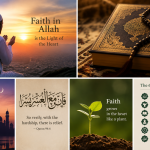
Islamic Dream Interpretation: The Complete Guide Based on Quran and Sunnah

Islamic dream interpretation divides every dream into three sources confirmed by Sahih Hadith: a true dream (Ru’ya) from Allah, a distressing dream (Hulm) from Shaytan, and an ordinary reflection of daily thoughts (Hadith al-Nafs). Understanding which category a dream falls into protects believers from fear, confusion, and superstition.
Reviewed for accuracy against authentic sources, including Sahih al-Bukhari, Sahih Muslim, and the classical dream dictionaries of Ibn Sirin and Al-Nabulsi.
Dreams have carried spiritual weight in Islam since the earliest days of revelation. Many Muslims wake from a vivid dream and search immediately for its meaning. However, genuine Islamic dream interpretation depends on context, character, and Sunnah guidance rather than fixed, one-size-fits-all symbol charts.
What Does Islam Say About Dreams?
The Quran confirms that dreams can carry real, divine significance. Allah communicated with Prophet Ibrahim (peace be upon him) through a dream instructing him to sacrifice his son (Quran 37:102). This single verse establishes that dreams are a legitimate channel of guidance, not mere imagination.
Prophet Yusuf (peace be upon him) received an even rarer gift: the ability to interpret dreams accurately. His interpretation of the king’s dream about seven fat cows and seven lean ones ultimately saved Egypt from a devastating famine (Quran 12:43-49). This story remains the clearest Quranic example of skilled dream interpretation in action.
The Prophet Muhammad (PBUH) also confirmed that a true dream carries prophetic weight. According to Sahih al-Bukhari, he described a righteous person’s good dream as one part of the forty-six parts of prophethood. This hadith explains why Muslims still take meaningful dreams seriously today.
Islamic Dream Interpretation: The Three Types of Dreams
The Prophet Muhammad (PBUH) organized every dream into exactly three categories. This classification remains the foundation of all authentic Islamic dream interpretation, and it prevents believers from over-analyzing meaningless dreams or fearing dreams that carry no spiritual weight.
“Dreams are of three types: a good dream which is glad tidings from Allah, a dream from Shaytan which causes distress, and a dream coming from what a person thinks about when he is awake.” (Sahih Muslim 2263)
True Dreams (Ru’ya)
A true dream feels unusually vivid, clear, and peaceful. It often delivers glad tidings, a gentle warning, or spiritual reassurance. Righteous believers experience these dreams more frequently during blessed periods, such as the last ten nights of Ramadan.
Dreams From Shaytan (Hulm)
These dreams trigger fear, grief, or unwanted temptation. Shaytan uses them specifically to disturb a believer’s inner peace. Fortunately, the Sunnah provides clear, immediate steps to neutralize their psychological effect, which this guide covers below.
Dreams From the Self (Hadith al-Nafs)
Most daily dreams fall into this ordinary category. They simply reflect waking thoughts, stress, or routine memories. For instance, a student preparing for exams often dreams about a classroom, and this carries no spiritual meaning whatsoever.
Common Symbols in Islamic Dream Interpretation
Classical scholars such as Ibn Sirin and Al-Nabulsi documented recurring dream symbols across centuries of Islamic scholarship. Their interpretations always depend on the dreamer’s profession, character, and life circumstances, so treat every meaning below as a general reference rather than a fixed rule.
The Kaaba or Makkah
Seeing the Kaaba usually points to strong faith and spiritual elevation. Many scholars link this vision to an upcoming journey for Hajj or Umrah, especially when the dreamer feels calm during the vision. For someone going through a difficult period, this dream often brings reassurance that guidance is near.
Clear Flowing Water
Clear water traditionally symbolizes beneficial knowledge and spiritual purity. It can also represent lawful (Halal) provision arriving soon. Ibn Sirin associated calm, clean water with a settled heart, since the Quran itself uses water as a metaphor for life and guidance.
Turbid or Flooding Water
Murky or overwhelming water carries a very different meaning. It generally points to trials, emotional distress, or social conflict (Fitnah) affecting the dreamer’s life. Classical scholars advise responding to this dream with extra patience and consistent prayer rather than panic.
Snakes
A snake frequently represents a hidden enemy, jealousy, or a concealed hardship. However, the outcome of the dream matters more than the snake itself. Defeating or escaping the snake suggests victory over that trial, while being bitten may warn of harm from someone close.
Flying Smoothly
Smooth, effortless flight signals elevated status, personal freedom, or a positive transformation on the horizon. This dream often appears during periods of genuine spiritual or professional growth. In contrast, flying while gripped by fear usually reflects hidden anxiety rather than good news.
Death
Death in a dream rarely predicts actual physical death. Instead, classical interpreters read it as a major life transition, the closing of a difficult chapter, or a personal call toward repentance (Tawbah). Therefore, this symbol should prompt reflection rather than fear.
Teeth Falling Out
This is one of the most commonly reported dream symbols worldwide, and Islamic commentary treats it carefully. Scholars often connect it to concerns about close family members or worries about one’s own long-term wellbeing. As with every symbol, the dreamer’s current life circumstances shape the exact meaning.
Fire
A controlled, warm light within a dream represents guidance, knowledge, or spiritual illumination. An uncontrolled or destructive fire, however, warns against conflict, anger, or a sinful habit taking hold. The distinction between the two forms of fire is essential to reaching an accurate reading.
A Deceased Relative in a Peaceful State
Seeing a deceased loved one appear calm and content brings genuine comfort to the dreamer. Scholars view this as a gentle reminder to make Dua and give ongoing charity (Sadaqah Jariyah) on the relative’s behalf. A distressed or unhappy appearance, though, calls for extra prayer rather than alarm.
Gold or Wealth
Gold in a dream can indicate upcoming provision or a improvement in one’s circumstances. At the same time, excessive or overwhelming gold sometimes warns against growing worldly attachment. As always, the dreamer’s current relationship with wealth shapes which reading applies.
Being Chased
This common dream often reflects an unresolved worry or a responsibility the dreamer has been avoiding. Rather than signaling external danger, it usually points inward, toward something the person already knows they must confront. Addressing that responsibility in waking life often reduces the dream’s recurrence.
A Wedding or Marriage
Dreaming of a wedding commonly points to a new beginning, a fresh commitment, or an approaching change in life direction. This symbol is not always literal, and it can apply equally to a new job, a new home, or a renewed sense of purpose.
Praying or Performing Salah
A dream centered on Salah generally reflects spiritual strength and closeness to Allah. Scholars consider this one of the more reassuring dream symbols, since it mirrors the dreamer’s own devotion. It can also serve as gentle encouragement to maintain or improve one’s prayer habits.
The Moon
The moon traditionally carries associations with honor, guidance, and the arrival of good news. A full, bright moon is generally read more positively than a dim or fading one. Several classical dream dictionaries link this symbol to leadership, respect, or a rise in one’s reputation.
How Classical Scholars Approach Islamic Dream Interpretation
Ibn Sirin, born in the seventh century, remains the most cited authority on this subject. He famously gave two different men two completely different interpretations for the exact same dream, basing each answer on the dreamer’s personal character and religious commitment.
This approach explains why authentic Islamic dream interpretation never uses rigid, universal meanings. A snake in the dream of a pious scholar might symbolize a different trial than the same snake appearing to someone struggling with sin. Context always determines the true meaning.
Scholars also draw a firm line between genuine interpretation and fortune-telling. Dreams cannot be used to issue religious rulings, predict specific future events, or accuse another person of wrongdoing. Any interpreter who claims otherwise is stepping outside recognized Islamic scholarship.
What To Do After a Dream: Sunnah Guidance
The Sunnah gives Muslims a clear, practical response for both good and disturbing dreams. Following these steps consistently protects emotional wellbeing and keeps the experience within proper Islamic boundaries.
| Step | Action | Purpose |
|---|---|---|
| 1 | Say Alhamdulillah | Thank Allah for the glad tidings |
| 2 | Hold good expectations of Allah | Reinforces trust (Husn al-Dhann) |
| 3 | Share only with trusted people | Protects the blessing from envy |
A disturbing dream requires a different, equally simple sequence. The Prophet (PBUH) taught this exact protocol to protect believers from unnecessary fear.
| Step | Action | Purpose |
|---|---|---|
| 1 | Seek refuge from Shaytan | Rejects the dream’s source |
| 2 | Spit lightly to the left three times | Symbolically dismisses the dream |
| 3 | Change sleeping position | Breaks the physical association |
| 4 | Perform Wudu and pray two Raka’at | Restores spiritual calm |
| 5 | Avoid telling anyone about it | Prevents the dream from feeling significant |
“If any one of you sees a dream that he dislikes, let him spit to his left three times and seek refuge with Allah from the Shaytan three times, and turn over from the side on which he was sleeping.” (Sahih Muslim 2262)
The refuge phrase itself carries three essential parts. The Arabic transliteration is “A’udhu billahi min ash-shaytanir rajim.” Its meaning is “I seek refuge in Allah from Shaytan, the accursed.” Muslims recite it immediately upon waking from a disturbing dream, before doing anything else.
Common Mistakes to Avoid When Interpreting Dreams
Many people misapply Islamic dream interpretation by treating it like a fixed dictionary. This approach ignores decades of scholarly caution and often produces misleading conclusions.
- Assigning one universal meaning to a symbol regardless of the dreamer’s situation.
- Treating every dream as a divine message instead of recognizing most dreams as ordinary thoughts.
- Using dreams to justify major life decisions without consulting a qualified scholar.
- Sharing disturbing dreams publicly instead of following the Sunnah response.
- Relying on unverified online symbol dictionaries as if they carry religious authority.
Frequently Asked Questions
Can every Muslim interpret dreams accurately?
No. Accurate interpretation requires deep knowledge of Quran, Sunnah, Arabic language, and human psychology. Casual guesswork should always be avoided.
Are online dream dictionaries reliable?
Most online tools assign rigid, automated meanings without knowing the dreamer’s personal circumstances. Treat them only as a general reference, never as definitive guidance.
What if the same disturbing dream keeps repeating?
Recurring bad dreams often respond well to nightly Sunnah habits: reciting Ayat al-Kursi, performing Wudu before sleep, and consulting a qualified local scholar if the distress continues.
Does a bad dream mean something bad will actually happen?
No. A disturbing dream usually comes from Shaytan or daily stress rather than a genuine warning. Therefore, the Sunnah response is designed to dismiss it, not to analyze it further.
Conclusion
Islamic dream interpretation offers a balanced framework rooted in Quran and authentic Sunnah. Believers should seek glad tidings in good dreams, dismiss disturbing ones through the Prophet’s own guidance, and avoid superstition at every step. If a dream feels significant, consult a knowledgeable scholar rather than an unverified app or website, and keep your daily life grounded in prayer and trust in Allah.
Author Description/Bio:
Explore Islamic World Editorial Team — our content on dreams, Sunnah, and Islamic spirituality is reviewed against authentic sources including Sahih al-Bukhari, Sahih Muslim, Sunnah.com references, and the classical dream dictionaries of Ibn Sirin and Al-Nabulsi, ensuring every interpretation stays grounded in mainstream Islamic scholarship rather than guesswork.

Comments are closed.
-
-
-
-
-
-
Show Comments[…] dream about a deceased person may carry a message, a reminder, or simply a reflection of grief, and this guide explains how to understand it […]
[…] thoughts! Leave a comment below sharing your experiences, or explore our comprehensive guide on Islamic Dream Interpretation to discover the authentic Qur’anic and Hadith meanings behind other spiritual […]
[…] Islamic dream interpretation, scholars generally treat snakes as symbols of enemies, secret plots, or jealousy. Occasionally, a […]
[…] Sirin remains the most cited scholar in Islamic dream interpretation. He lived in the eighth century, and his recorded interpretations still guide most modern analysis, […]
[…] often symbolize family members and close relationships in Islamic dream interpretation. Losing them in a dream frequently points to a change involving relatives. Some interpreters […]
[…] Sirin, the most cited classical authority on dream interpretation, connected blood in a dream to income earned through doubtful or forbidden means. A dreamer who […]