





Most Beautiful Mosques in the World: 10 Stunning Places You Must See
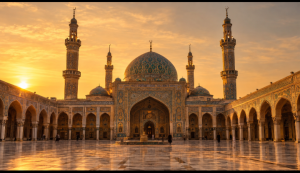
The most beautiful mosques in the world include Masjid al-Haram, Al-Masjid an-Nabawi, Sheikh Zayed Grand Mosque, the Blue Mosque, and Hassan II Mosque. Each one blends faith, history, and striking design. This guide covers ten of them, with history and visiting tips.
Islamic architecture has produced some of the most breathtaking buildings on earth. Every mosque tells a story of faith, history, and artistic vision. From soaring minarets to hand-painted domes, these structures blend spiritual purpose with stunning design, and they continue to inspire millions of visitors every year.
Whether you are a traveler, a history lover, or simply curious about Islamic art, this list will take you on a journey across continents. Each mosque on this list offers something unique. Some are ancient. Others are modern marvels. All of them showcase the timeless beauty of Islamic craftsmanship.
This list of the most beautiful mosques in the world spans Saudi Arabia, the UAE, Turkey, Morocco, Pakistan, Kyrgyzstan, and Iran. Each entry includes historical background, architectural highlights, and practical details for anyone planning a visit. By the end, you will have a clear picture of which mosques to prioritize based on your interests, whether that is ancient history, modern engineering, or pure visual beauty.
Why the Most Beautiful Mosques in the World Captivate Visitors
Mosques serve as places of prayer, but they are also cultural landmarks. Architects design them with careful attention to symmetry, light, and geometry. Calligraphy covers many interior walls. Intricate tile work decorates domes and courtyards. These details reflect centuries of artistic tradition passed down through generations of craftsmen.
Islamic design often avoids depicting human figures. Instead, artists use geometric patterns and floral motifs. This style creates a sense of infinity and order. Visitors often describe these spaces as peaceful and awe-inspiring, regardless of their faith. These qualities are exactly what make the most beautiful mosques in the world so unforgettable to visit.
Three elements repeat across most great mosques: the dome, the minaret, and the courtyard. The dome symbolizes the heavens and often sits above the main prayer hall. The minaret historically served as a tower for the call to prayer, though today it also functions as a visual landmark visible from miles away. The courtyard, or sahn, provides space for overflow crowds during major prayers and often includes a fountain for ritual washing before prayer.
Regional influences shape each mosque differently. Ottoman mosques favor large central domes and cascading half-domes. Mughal mosques in South Asia use red sandstone and white marble in bold contrast. Persian mosques rely heavily on turquoise and cobalt tilework. Moroccan and Andalusian mosques feature carved stucco and horseshoe arches. These regional styles give every mosque on this list a distinct visual identity.
1. Masjid al-Haram, Mecca, Saudi Arabia
Masjid al-Haram surrounds the Kaaba, the holiest site in Islam. It is the largest mosque on the planet. During Hajj, it welcomes well over a million worshippers at once. Millions of Muslims travel here each year for pilgrimage. The scale of the complex is difficult to grasp until you stand within its courtyards. Marble floors stretch in every direction, and towering minarets frame the sky above the Kaaba.
This mosque holds unmatched spiritual significance. It remains the ultimate destination for every Muslim who performs Hajj or Umrah.
The current structure has undergone many expansions since the mosque was first built. Saudi authorities have repeatedly enlarged the complex to accommodate growing numbers of pilgrims, adding new prayer floors, expanded courtyards, and modern climate control systems. Nine minarets now rise above the mosque, each reaching over 89 meters. Despite these modern additions, the Kaaba at the center remains the unchanging focal point that every visitor circles during Tawaf.
Travelers visiting Masjid al-Haram should expect large crowds year-round, with peak density during Ramadan and Hajj season. Comfortable footwear and light clothing help, since much of the courtyard sits under open sky. Many pilgrims combine their visit here with a trip to Al-Masjid an-Nabawi in Medina, roughly a 450-kilometer journey by road or a short domestic flight.
2. Al-Masjid an-Nabawi, Medina, Saudi Arabia
The Prophet’s Mosque in Medina ranks as the second holiest site in Islam. Prophet Muhammad helped build the original structure in 622 CE. Today, the mosque covers a vast area and welcomes well over a million worshippers. Its iconic green dome marks the location of the Prophet’s tomb. White umbrellas open across the courtyard during the day, providing shade for visitors.
Pilgrims often visit this mosque before or after completing Hajj. The peaceful atmosphere and historic significance make it unforgettable.
The mosque has expanded dramatically since its original construction. What began as a modest structure built from palm trunks and mudbrick now spans a vast complex with ten minarets and multiple prayer halls. The Riyadh al-Jannah, a small area between the Prophet’s tomb and his pulpit, holds special significance for visitors who wish to pray there, though access can require patience due to crowd size.
Visiting hours are generally flexible, though certain areas restrict access based on gender and specific prayer times. Many travelers recommend visiting early in the morning or late at night to avoid the heaviest crowds, particularly during Ramadan.
3. Sheikh Zayed Grand Mosque: One of the World’s Most Beautiful Mosques in Abu Dhabi
This mosque is a modern architectural triumph. Built between 1996 and 2007, it blends Moroccan, Persian, and Mughal design elements. The complex features 82 domes, over a thousand columns, and gold-gilded chandeliers. It holds the world’s largest hand-woven carpet inside its main prayer hall.
Non-Muslim visitors can tour the mosque on most days. A strict dress code applies. The white marble exterior glows beautifully at sunset, making it a favorite spot for photographers.
The mosque uses reflective pools along its courtyard to double the visual impact of its columns and domes, especially during evening hours when the building is illuminated. Floral inlays made from semi-precious stones cover many interior walls, a technique inspired by the same craftsmanship used in the Taj Mahal. Free guided tours run several times a day and are highly recommended for first-time visitors, since guides explain the symbolism behind the architecture that casual visitors might otherwise miss.
4. Blue Mosque, Istanbul, Turkey
Sultan Ahmed I commissioned this mosque between 1609 and 1616. Builders designed it to rival the nearby Hagia Sophia. Over 20,000 handmade Iznik tiles cover the interior walls. Floral patterns and stained glass windows fill the space with color and light.
Six minarets rise around the mosque, a rare architectural feature. The building remains open to visitors outside of prayer times, and its blue-tinted interior gives the mosque its popular name.
At the time of construction, having six minarets caused controversy, since this matched the number found at the mosque in Mecca. Sultan Ahmed I resolved the issue by funding a seventh minaret for the Mecca mosque. Inside, more than 200 stained glass windows filter natural light across the prayer hall, changing the mood of the space throughout the day. The mosque sits directly across from Hagia Sophia in Sultanahmet Square, making it easy to visit both landmarks in a single afternoon.
5. Hassan II Mosque: A Beautiful Mosque in Casablanca, Morocco
The Hassan II Mosque sits partially over the Atlantic Ocean. Its minaret reaches 210 meters, making it one of the tallest in the world. A laser beam projects from the top toward Mecca each night. Thousands of craftsmen spent about seven years building this mosque as a tribute to the former king.
The interior features heated floors, a retractable roof, and detailed Moroccan tilework. Guided tours allow non-Muslims to explore the prayer hall and ablution rooms.
The main prayer hall can hold 25,000 worshippers, with room for another 80,000 in the surrounding courtyard. Below ground, a hammam and ablution area feature dozens of marble fountains carved with traditional Moroccan patterns. Public donations funded most of the construction cost, reflecting widespread national pride in the project. Visitors touring Casablanca often pair a mosque visit with time along the nearby corniche, where the Atlantic views complement the building’s oceanfront setting.
6. Badshahi Mosque: A Beautiful Mosque in Lahore, Pakistan
Mughal Emperor Aurangzeb built this mosque in 1673. It held the title of the world’s largest mosque until 1986. Red sandstone covers the exterior, while marble and detailed calligraphy decorate the interior. The mosque can accommodate around 60,000 worshippers within its expansive courtyards.
Badshahi Mosque remains one of Pakistan’s most visited landmarks. Its scale and Mughal grandeur attract tourists and pilgrims alike.
The mosque sits adjacent to the Lahore Fort, a UNESCO World Heritage Site, allowing visitors to explore two major historical landmarks in one trip. Marble inlay work and frescoed ceilings decorate the interior, showcasing techniques shared with other Mughal monuments across South Asia. Evening visits offer a particularly striking view, as the sandstone facade takes on a warm red glow under floodlights against the darkening sky.
7. Faisal Mosque, Islamabad, Pakistan
This mosque breaks from traditional dome-and-minaret design. Its shape resembles a Bedouin tent, reflecting a modern interpretation of Islamic architecture. Four tall minarets frame the structure, and the mosque sits against the backdrop of the Margalla Hills.
Faisal Mosque serves as a national landmark and a striking example of contemporary mosque design.
Turkish architect Vedat Dalokay designed the mosque, departing entirely from the dome-based tradition seen in most of the mosques on this list. The main hall can accommodate around 10,000 worshippers, with space for another 190,000 across its courtyard and grounds during major events. Saudi King Faisal bin Abdulaziz funded much of the construction, and the mosque was named in his honor after his assassination in 1975. Its hillside location offers sweeping views over Islamabad, making it a popular spot for both prayer and sightseeing.
8. Suleymaniye Mosque, Istanbul, Turkey
Istanbul holds several architectural treasures beyond the Blue Mosque. Suleymaniye Mosque, designed by the renowned architect Mimar Sinan, sits atop a hill overlooking the Bosphorus. Its symmetry and elegant domes represent the peak of Ottoman architecture. Sinan considered this mosque one of his finest achievements.
Visitors often explore both mosques on the same trip, comparing their distinct styles and historical periods.
Suleymaniye Mosque was commissioned by Suleiman the Magnificent and completed in 1558. The complex originally included a hospital, school, and public kitchen, reflecting the Ottoman practice of building mosques as full community centers rather than standalone places of worship. Sinan is buried in a modest tomb just outside the mosque walls, a fitting resting place for the architect many consider the greatest of the Ottoman era. The mosque’s elevated position offers one of the best panoramic views of Istanbul’s skyline and the Golden Horn.
9. Dungan Mosque, Karakol, Kyrgyzstan
This wooden mosque stands out for its vibrant colors and unique construction. Builders used no nails during its construction in the early 1900s. Chinese-style architecture influences its design, creating a rare blend of Islamic function and East Asian aesthetics.
The mosque offers an affordable and memorable stop for travelers exploring Central Asia’s lesser-known Islamic heritage.
Dungan Muslims, an ethnic Hui community that migrated from China in the late nineteenth century, built this mosque using traditional Chinese carpentry techniques. Bright reds, greens, and yellows cover the wooden structure, giving it the appearance of a pagoda rather than a typical mosque. The mosque remains an active place of worship for the local Dungan community today.
10. Sheikh Lotfollah Mosque, Isfahan, Iran
Built during the Safavid era, this mosque features one of the most stunning domes in Islamic architecture. The dome changes color throughout the day as sunlight shifts across its cream and turquoise tiles. Unlike many mosques, it lacks a minaret or courtyard, since it was originally built for the royal family’s private use.
Persian tile work reaches its artistic peak inside this mosque, making it a must-see for architecture enthusiasts.
Shah Abbas I commissioned the mosque in the early seventeenth century as part of the grand Naqsh-e Jahan Square, one of the largest public squares in the world and a UNESCO World Heritage Site. A curved corridor leads visitors from the entrance to the main chamber, deliberately built to shift the building’s orientation toward Mecca without disrupting the square’s symmetry. Sunlight entering through latticed windows creates a shifting peacock-tail pattern on the floor as the day progresses, a detail many visitors consider the highlight of their trip to Isfahan.
How to Plan a Visit to the Most Beautiful Mosques in the World
Many of these mosques welcome non-Muslim visitors. Dress codes usually require modest clothing and head coverings for women. Photography rules vary by location, so check ahead of your visit. Fridays often bring larger crowds, since this is the main day of communal prayer.
Travelers who want to see the most beautiful mosques in the world should plan visits outside of major prayer times when possible. This allows for a quieter, more reflective experience. Guided tours offer helpful historical context and architectural details you might otherwise miss.
Timing your trip around the seasons also matters. Gulf countries like Saudi Arabia and the UAE see extreme summer heat, so spring and autumn make for more comfortable sightseeing. Istanbul and Isfahan offer pleasant weather in late spring and early autumn as well. If your goal is to combine several mosques into one trip, grouping by region works best: Istanbul’s mosques can be covered in two or three days, while Saudi Arabia’s holy sites often form part of a dedicated Umrah or Hajj itinerary.
Respect for local customs goes a long way. Remove shoes before entering prayer halls, keep voices low, and avoid pointing cameras directly at worshippers who are praying. Many mosques provide free robes or scarves at the entrance for visitors who arrive without appropriate clothing, so a lack of preparation rarely prevents entry. Each of the most beautiful mosques in the world listed here welcomes visitors a little differently, so a bit of research before you go always pays off.
Frequently Asked Questions
What is the most beautiful mosque in the world?
There is no single official answer, because beauty is subjective. However, Sheikh Zayed Grand Mosque, the Blue Mosque, and Hassan II Mosque often top travelers’ lists. Masjid al-Haram and Al-Masjid an-Nabawi remain the most sacred.
Which is the largest mosque in the world?
Masjid al-Haram in Mecca is generally regarded as the largest mosque in the world. It surrounds the Kaaba and has been expanded many times.
Can non-Muslims visit these mosques?
Many can be visited outside prayer times, including the Blue Mosque and Sheikh Zayed Grand Mosque. However, non-Muslims cannot enter Mecca. Visitors should dress modestly and follow mosque etiquette.
Which mosque has the most unique design?
Hassan II Mosque is famous for its Atlantic Ocean setting and tall minaret. Faisal Mosque is notable for its modern, tent-like shape.
Final Thoughts on the Most Beautiful Mosques in the World
The most beautiful mosques in the world represent more than architectural achievement. They embody centuries of faith, artistry, and cultural exchange. From the vast courtyards of Masjid al-Haram to the colorful domes of Isfahan, each mosque offers a distinct window into Islamic civilization.
Exploring these landmarks, whether in person or through research, deepens appreciation for the craftsmanship behind them. Add a few of these mosques to your travel list, and experience their beauty firsthand.

Comments are closed.
[…] magnificent mosque with intricate architecture or golden light often symbolizes elevated faith and Allah’s favor. Some interpreters go […]
[…] sultan reportedly funded the construction of a seventh minaret for Masjid al-Haram, restoring its unique status as the mosque with the most minarets in the Muslim […]
[…] Prophet (PBUH) said one prayer in his mosque is better than a thousand prayers elsewhere, except Al-Masjid Al-Haram. Sahih al-Bukhari 1190 and Sahih Muslim 1394 record this […]
[…] the Farewell Pilgrimage. He was buried in the room of Aisha (RA). That room now lies inside the Prophet’s Mosque, or Al-Masjid an-Nabawi, one of the holiest sites in […]