





Is Hand Sanitizer Halal for Salah? What Scholars Say and What to Do
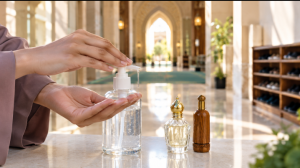
Is hand sanitizer halal for Salah? Many scholars permit it, because industrial alcohol is not a drink, and your prayer stays valid. Stricter scholars advise letting it dry or choosing alcohol-free options. Drinking sanitizer is always forbidden, so follow a qualified scholar from your own school.
Reviewed for accuracy against authentic sources.
Quick Overview: The Two Scholarly Views
| Question | Easier View | Stricter View |
|---|---|---|
| Is the alcohol impure? | No, industrial alcohol is a different substance | Yes, as with khamr |
| Is Salah valid after use? | Yes, with no extra step | Yes, once it dries or is wiped off |
| Does it break wudu? | No | No |
| Can you drink it? | Never | Never |
Hand sanitizer is part of daily life now, so the hand sanitizer halal question reaches almost every Muslim. Offices, schools, airports, and mosque entrances all keep a bottle nearby. This guide sets out both scholarly views, with named sources. It also gives simple steps that protect your prayer and your peace of mind.
Why This Question Worries So Many Muslims
Is hand sanitizer halal when it contains 60 to 95 percent alcohol? Most sanitizers do, and Islam strictly forbids alcohol as a drink. So many believers ask whether using it harms their prayer. The worry is sincere and deserves a clear answer.
Perfume raises the same concern. Many sprays use alcohol as a carrier for the fragrance. As a result, worshippers wonder whether a quick spray before Salah is a problem.
Two separate issues sit inside this question. First, is the product itself forbidden to use? Second, does it make your body or clothes impure for prayer? Scholars treat these as different questions, so we will take them one at a time.
What the Quran and Hadith Say About Intoxicants
Allah (SWT) calls intoxicants a filth from Satan’s handiwork and commands believers to avoid them (Surah Al-Ma’idah, 5:90). The verse speaks about drinking and the harm it brings. It does not mention rubbing alcohol on the skin.
The Prophet ﷺ said that every intoxicant is khamr and every intoxicant is forbidden (Sahih Muslim, 2003). He also said a small amount of anything is forbidden if a large amount intoxicates (Sunan Abu Dawud, 3681). Therefore, drinking sanitizer or perfume is clearly haram.
Prayer also needs purity. The Prophet ﷺ said that no Salah is accepted without purification (Sahih Muslim, 224). Consequently, the real debate is whether alcohol counts as ritually impure on your body or clothes.
Is Hand Sanitizer Halal? What Scholars Say
The ruling turns on one disputed point. Is alcohol najis, meaning ritually impure? Scholars hold two main positions, and both rely on sincere reasoning.
The Stricter View
Many classical jurists considered khamr ritually impure. The Federal Territory Mufti’s office in Malaysia notes that most scholars treat alcohol as najis for this reason. Some therefore advise avoiding alcohol-based products where an easy alternative exists.
Even so, these scholars often make allowances. Widespread need, known as umum al-balwa, lightens the rule. Hospitals, public transport, and shared workplaces leave many people with few other options.
The Easier View
Many contemporary scholars give a more lenient ruling on hand sanitizer halal use. They point out that the alcohol in sanitizer is a chemical product made for cleaning. Nobody drinks it, and it is not the khamr of the Quran.
Named fatwa sources reflect this view. The AMJA Fatwa Committee permits alcohol-based sanitizer as a concession based on need (Fatwa 87745). Muftionline.co.za states that Salah after using it is valid, since the alcohol is not from dates or grapes. The Malaysian Federal Territory Mufti rules that such a sanitizer is not najis and may be used in prayer.
Under this view, hand sanitizer halal status is simple. You may use sanitizer for hygiene, and your prayer remains valid. In addition, the alcohol evaporates within seconds.
Both views agree on one thing. Drinking or swallowing these products is forbidden. Keep every bottle away from children.
Does Sanitizer Affect Your Salah?
Under the easier view, your prayer is fully valid after using sanitizer. Nothing needs repeating, and you need no new wudu. Sanitizer does not break wudu, because wudu breaks only through the known nullifiers.
Suppose you follow the stricter view on hand sanitizer halal use. In that case, let the product dry completely before you pray. Then wipe your hands with a clean tissue or wash them with water. This small step takes seconds and gives you peace of mind.
Your own school and local scholar should guide your final hand sanitizer halal decision. Following one qualified opinion consistently is better than switching for convenience. Likewise, never judge a fellow Muslim who follows the other opinion.
Is Perfume With Alcohol Allowed for Prayer?
Perfume is a beloved Sunnah. The Prophet ﷺ said perfume was made dear to him, and his comfort lay in prayer (Sunan an-Nasa’i, 3939). He also encouraged using perfume for the Friday prayer when it is available (Sahih al-Bukhari, 880).
The scholarly discussion mirrors the sanitizer debate. Many scholars allow alcohol-based perfumes, since the alcohol is industrial and not a drink. The Malaysian National Muzakarah Committee, for example, held that alcohol-containing perfumes are permissible. Others prefer alcohol-free fragrances out of caution.
Women have one extra rule. The Prophet ﷺ told women not to wear perfume when attending the night prayer at the mosque (Sahih Muslim, 443). Therefore, a woman may wear scent at home. She should avoid it when she goes out to the mosque.
Practical Tips for Sanitizer and Perfume
These habits make the hand sanitizer halal question easy to handle without making life hard.
- Choose alcohol-free sanitizer when you can, and keep a small bottle in your bag.
- Rub alcohol-based sanitizer in until your hands feel dry before you start Salah.
- Prefer traditional oil-based attar, which usually contains no alcohol.
- Spray perfume on skin or clothes only in small amounts.
- Check labels, since some products use other additives you may want to avoid.
- Ask a trusted local scholar if you follow a school with a stricter view.
Special Situations: Hospitals, Schools, and Travel
Need changes the ruling for many people. Nurses, doctors, and teachers use sanitizer dozens of times a day. For them, avoiding it is often impractical, and the easier view gives real relief.
Travelers face the same pressure. Airports and trains rarely offer a sink within reach. In that setting, hand sanitizer halal questions are best answered by need, as the AMJA fatwa explains.
Students and office workers can plan ahead. Keep a small alcohol-free bottle for the prayer room. Then you will never have to choose between hygiene and certainty.
Whatever your job, do not let the hand sanitizer halal question steal your concentration. Allah (SWT) wants ease for you, not hardship (Quran 2:185). Choose the option you can keep calmly.
How Long to Wait Until Sanitizer Dries
Most sanitizers dry in about twenty seconds when you rub them over your whole hands. The CDC advises rubbing until your hands feel dry. That short wait fits the stricter view neatly.
Dry hands also reflect good manners. You avoid dripping on a prayer mat or on someone else’s hand. Handshakes before Salah feel cleaner too.
If you still feel doubt, rinse with water and carry on. It takes a few seconds. Peace of heart matters more than debating a trace of liquid.
Keeping Sanitizer Safe at Home
Safety matters as much as the ruling. Swallowing sanitizer is dangerous, and children are especially at risk. Store every bottle high and out of reach.
Keep sanitizer away from flames and heat as well. Alcohol-based products burn easily. A bottle left in a hot car can also leak or swell.
Teach older children the correct use. A small pea-sized amount is enough for most hands. Explain that drinking it is forbidden and harmful.
Alcohol-Free Alternatives Worth Trying
Alcohol-free options are easy to find today. Some sanitizers use benzalkonium chloride as the active ingredient. Soap and clean water remain the most reliable choice. Health agencies such as the CDC advise washing with soap first whenever you can.
Perfume lovers have even more choices. Oil-based attars, musk oils, and alcohol-free sprays smell rich and last longer. They also remove all doubt about the ruling.
Mosque committees can help as well. An alcohol-free dispenser at the entrance protects worshippers who follow the stricter view. It also keeps the prayer hall free from disputes.
What to Say When Others Ask
Friends and relatives will ask about this topic, especially at the mosque. Answer with humility. Say that scholars differ and that you follow a named opinion.
Avoid strong words, even when you feel sure. A kind tone keeps hearts together. It also protects you from speaking without knowledge.
Share sources instead of verdicts. Point people to a trusted local scholar or to the fatwa bodies named above. That approach respects both views and the asker.
If someone is anxious, reassure them gently. Remind them that Islam is a religion of ease. A single sanitizer use does not cancel anyone’s prayer.
A Simple Way to Decide for Yourself
Start with your own school of thought. Then ask which opinion your trusted local scholar follows. Stay with that opinion calmly, because consistency matters more than constant switching.
Next, think about your situation. A nurse, a traveler, and a student in a busy hall face different levels of need. As a result, a ruling that suits one person may feel harder for another. Allah (SWT) does not burden a soul beyond its capacity (Surah Al-Baqarah, 2:286).
Finally, remember the goal behind every hand sanitizer halal debate. Salah is about presence of heart, not anxiety over every drop. Therefore, take the careful step that fits your life, then pray with a calm mind.
Common Mistakes Muslims Make
Some mistakes appear again and again. The first is repeating wudu after using sanitizer, even though sanitizer does not break wudu. Another is calling a fellow Muslim wrong for following the other scholarly opinion.
A further mistake is skipping a prayer because of a trace of sanitizer on the hands. Prayer on time is far more important. A third is using perfume heavily at the mosque and disturbing the people nearby.
Last, some treat the debate as settled when scholars openly differ. Humility keeps the community united. It also keeps your own practice sincere.
Frequently Asked Questions
Is alcohol-based sanitizer haram to use?
Many scholars say no. Drinking it is haram, but using it for hygiene is allowed under the common view. Stricter scholars advise alcohol-free options where possible.
Do I need to wash my hands after sanitizer before Salah?
Under the easier view, you do not. If you follow the stricter view, let it dry and wipe your hands first.
Does sanitizer break wudu?
No. Wudu breaks only through recognized nullifiers, such as using the toilet or passing wind. Sanitizer is not one of them.
Can I wear alcohol-based perfume to the mosque?
Many scholars allow it for men, though many prefer alcohol-free attar. Women should avoid perfume when they attend the mosque.
What is the safest option for Salah?
Use soap and water, or an alcohol-free sanitizer. This choice satisfies every scholarly opinion.
What if I used sanitizer and forgot to let it dry?
Your prayer is valid under the easier view. Under the stricter view, wipe your hands and continue. In either case, no one needs to repeat a completed prayer out of worry.
Final Thoughts: Keep It Simple and Keep Your Salah
This debate should never keep you away from prayer. Follow a qualified scholar, choose alcohol-free products when convenient, and pray with a calm heart.
Share this guide with a friend who asks the same question. May Allah (SWT) accept your Salah and make every act of purity easy for you.
