





Mosque Etiquette for Non-Muslims: What Visitors Should Know
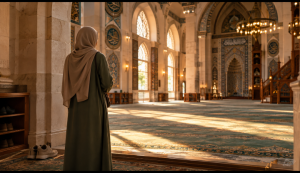
Mosque etiquette for non-muslims centers on modest dress, removing shoes, quiet respect, and avoiding prayer times. Most mosques welcome visitors warmly, and following a few simple customs makes any visit smooth, comfortable, and genuinely respectful.
Reviewed for accuracy against authentic Islamic sources, including the Qur’an and Sahih Hadith collections.
Quick Reference: Mosque Etiquette for Non-Muslims at a Glance
| Topic | What Visitors Should Do |
|---|---|
| Dress | Cover shoulders, arms, and knees; avoid tight or sheer clothing |
| Shoes | Remove before entering the prayer hall |
| Timing | Avoid the five daily prayer windows and Friday noon prayer |
| Behavior | Stay quiet; never walk in front of someone praying |
| Photography | Ask permission first; never photograph someone mid-prayer |
| Greetings | Offer handshakes only to the same gender unless invited otherwise |
| Donations | Optional but appreciated; look for a donation box near the exit |
Can Non-Muslims Visit a Mosque?
Most mosques around the world welcome visitors of every background. A mosque functions as a place of worship, yet it also serves as a community space open to sincere guests. Understanding this openness sits at the heart of mosque etiquette for non-muslims everywhere.
The Prophet Muhammad (PBUH) once allowed a Christian delegation from Najran to pray inside his own mosque in Medina, according to early Islamic history. This account shows that mosques have long served respectful guests, not only Muslim worshippers.
A hadith in Sahih al-Bukhari states that whoever believes in Allah (SWT) and the Last Day should honor his guest (Sahih al-Bukhari 6018). This principle naturally extends to how mosque communities treat curious visitors and travelers.
However, access can vary from one mosque to another. Some restrict entry during prayer times, and a few historic or politically sensitive sites limit non-Muslim visitors entirely. Checking local signage, or simply asking staff, prevents confusion before arrival.
Large tourist mosques, such as those in Istanbul or Abu Dhabi, tend to be the most visitor-friendly, since they receive foreign guests daily. Smaller neighborhood mosques may feel less prepared for tourists, so a polite question at the door goes a long way.
Why Modesty and Silence Matter Inside a Mosque
Islamic worship centers on humility before Allah (SWT), and the mosque environment reflects that focus. Modest dress and quiet behavior are not arbitrary rules; they protect the concentration worshippers need during prayer.
A hadith in Sahih al-Bukhari describes modesty as a branch of faith, showing that covering the body respectfully connects to a broader Islamic value rather than a mosque-specific policy (Sahih al-Bukhari 9). Visitors who understand this reasoning often find the rules easier to follow naturally.
Silence inside the prayer hall serves a similar purpose. Since Muslims pray in a synchronized, focused state, even quiet chatter nearby can break concentration. Respecting this atmosphere costs visitors nothing yet means a great deal to worshippers.
Mosque Dress Code: What to Wear as a Visitor
Dress remains the single most important part of mosque etiquette for non-muslims. Modesty matters more than specific colors or styles, and mosque staff judge visitors on respect rather than fashion.
What Women Should Wear
Women should cover their arms, legs, and chest with loose, non-transparent fabric. Long skirts, wide trousers, and long-sleeved tops work well almost anywhere. Tight leggings, shorts, and sleeveless dresses rarely meet the standard.
Qur’an 7:31 instructs believers to take their adornment, meaning clean and modest clothing, at every masjid. Scholars often cite this verse when explaining mosque dress expectations to new visitors.
Layering works well for travelers moving between mosque visits and other sightseeing. A long cardigan or light shawl packed in a day bag covers shoulders instantly without changing an entire outfit.
What Men Should Wear
Men should wear full-length trousers along with a shirt that covers the shoulders. Shorts, tank tops, and athletic wear rarely pass mosque standards, even during warm weather. A collared shirt paired with long pants satisfies nearly every mosque worldwide.
Do Children Need to Follow the Same Rules?
Mosques generally apply lighter standards to young children. Staff rarely enforce strict dress codes for toddlers, although older kids should still dress modestly. Teenagers typically follow the same expectations as adults.
Do You Need to Cover Your Hair?
Many mosques ask female visitors to cover their hair inside the prayer hall, regardless of religion. This request works as a mark of respect rather than a personal religious obligation placed on the guest.
A light scarf draped loosely over the head satisfies most mosques. Several tourist-friendly sites, including major mosques in Istanbul and the Gulf, keep spare scarves near the entrance for unprepared visitors.
Men usually skip head coverings, though a few conservative mosques may request a simple cap during Friday prayers.
Removing Shoes Before Entering
Visitors must remove their shoes before stepping onto the prayer hall carpet. This tradition preserves cleanliness in a space where worshippers kneel, sit, and touch their foreheads to the floor during prayer.
Most mosques provide shelves or cubbies near the entrance for shoes. Bringing a small bag offers a practical backup when shelf space runs out during busy hours, and clean socks keep the visit comfortable throughout.
When Not to Visit: Understanding Prayer Times
Understanding timing plays a central role in mosque etiquette for non-muslims planning a visit. Mosques observe five daily prayers, and each one temporarily pauses casual sightseeing.
Friday midday prayer, known as Jumu’ah, draws the largest crowds and often closes mosques to tourists for an hour or two. Checking a mosque’s posted schedule, or asking staff directly, prevents an awkward visit.
Visiting mid-morning or mid-afternoon, between prayer times, usually offers the calmest experience for curious travelers. Many tourist mosques post daily prayer schedules near the entrance specifically for this reason.
How Long Should You Plan to Spend at a Mosque?
A quick, respectful visit to a tourist-friendly mosque usually takes fifteen to thirty minutes. This window covers removing shoes, viewing the main prayer hall, and reading any posted information about the building’s history.
Guided tours run longer, often forty-five minutes to an hour, and typically include a short etiquette briefing before entry. Booking a guided slot in advance helps at extremely popular sites, such as the Blue Mosque during peak tourist season.
Arriving thirty minutes before or after a prayer window gives visitors the most flexible, unrushed experience.
Common Mistakes Non-Muslim Visitors Make
Most etiquette mistakes happen from unfamiliarity rather than disrespect, and mosque staff generally understand this. Still, a few missteps come up repeatedly among first-time visitors.
Arriving during a prayer window ranks as the most common mistake, since visitors rarely check schedules in advance. Wearing shorts or sleeveless tops without a backup layer causes a second frequent issue, especially in hot climates.
Photographing someone mid-prayer without asking, and speaking loudly on a phone inside the prayer hall, round out the most avoidable errors. A quick glance at posted rules near the entrance solves nearly all of these problems.
How to Behave Inside the Prayer Hall
Quiet, respectful behavior matters more than any single rule. Visitors should speak softly, silence their phones, and avoid loud conversation near anyone in prayer.
Never walk directly in front of a praying worshipper. Islamic tradition treats this as a serious disruption, since prayer requires focused attention toward Mecca. Circling around, rather than cutting through, keeps the space respectful.
Eating, chewing gum, or carrying food into the prayer hall is generally discouraged. Sitting quietly along the back or side walls gives visitors a clear view without interrupting worship.
Is Photography Allowed Inside a Mosque?
Photography rules vary by mosque, though many popular tourist sites allow general photos of the architecture and interior. Photographing worshippers mid-prayer, however, crosses an important line almost everywhere.
Visitors should ask staff before using a camera, particularly in smaller neighborhood mosques that rarely see tourists. A polite question avoids embarrassment and shows genuine respect.
Greeting Muslims Respectfully
Handshakes typically happen only between people of the same gender inside a mosque setting. A nod, a hand over the heart, or a simple smile works well when greeting someone of the opposite gender.
Learning the standard greeting, “As-salamu alaykum” (peace be upon you), along with its reply, “Wa alaykum as-salam,” helps visitors connect respectfully with staff and worshippers alike.
A Simple Dua for Entering a Mosque
Muslims traditionally recite a short dua while stepping into a mosque, and visitors who wish to understand the custom may find it meaningful to know.
Transliteration: Allahumma-ftah li abwaba rahmatik.
Translation: O Allah, open the gates of Your mercy for me.
When recited: Muslims say this quietly while entering with the right foot, as recorded in Sahih Muslim 713.
Visitors are not expected to recite this dua themselves, though understanding it adds meaning to what they witness inside.
Donations and Guided Tours: What to Know
Entry to almost every mosque remains free, though a donation box near the exit is common practice at heavily visited sites. Small contributions help maintain the building and support community programs, and no fixed amount applies.
Some mosques offer scheduled guided tours specifically for tourists, complete with an English-speaking guide who explains both architecture and etiquette. Larger sites, including several Gulf mosques, run these tours several times daily outside prayer hours.
What a Guided Mosque Tour Typically Includes
Guided tours usually open with a short etiquette briefing covering dress, shoes, and photography rules before the group ever enters the building. This briefing prevents most common mistakes before they happen.
This kind of briefing captures the full range of mosque etiquette for non-muslims in just a few minutes. Guides then walk visitors through the main prayer hall, explaining architectural features such as the mihrab, the minbar, and any calligraphy or dome decoration. Many guides also answer basic questions about daily prayer and the call to prayer, giving visitors real cultural context rather than just visual sightseeing.
Tours typically end near the exit, where a donation box sits for anyone wishing to contribute. No obligation exists, and staff rarely mention it directly.
Mosque Etiquette for Non-Muslims Around the World
Mosque etiquette for non-muslims shifts slightly depending on country and cultural context, even though the core principles stay consistent everywhere.
Turkey
Istanbul’s major mosques, including the Blue Mosque and Süleymaniye Mosque, welcome large numbers of tourists daily. Staff routinely provide loaner scarves and wraps, and signage clearly marks visitor entrances separate from worshipper access.
Gulf Countries (UAE, Saudi Arabia, Qatar)
Grand mosques such as Sheikh Zayed Grand Mosque in Abu Dhabi enforce strict dress codes and often provide full-length abayas for underdressed women. Guided tours typically run outside prayer times, keeping visits smooth and educational.
Egypt and Morocco
Many historic mosques in Cairo welcome tourists, though a handful of sites, particularly some in Morocco, restrict entry to Muslims only. Checking ahead saves a wasted trip, since rules differ noticeably between the two countries.
Southeast Asia (Malaysia, Indonesia)
Mosques across Malaysia and Indonesia frequently offer robes at the entrance for visitors. Separate entrances for men and women appear common, and staff generally give tourists a brief etiquette reminder before entry.
South Asia (Pakistan, India, Bangladesh)
Historic mosques across this region, such as the Badshahi Mosque in Lahore, generally welcome respectful visitors outside prayer times. Modest dress and a head covering for women remain expected, similar to most other regions.
Western Mosques (US, UK, Europe)
Community mosques in Western countries often welcome visitors through organized open-house programs, such as the UK’s “Visit My Mosque” initiative. These events pair a short tour with an etiquette briefing, making first-time visits approachable.
Frequently Asked Questions
Can a non-Muslim enter a mosque?
Yes, most mosques welcome non-Muslim visitors outside of prayer times, provided they follow basic dress and behavior expectations.
What should I avoid saying or doing in a mosque?
Avoid loud conversation, walking in front of worshippers, eating, and taking close-up photos of people praying.
Do I have to remove my shoes even for a quick visit?
Yes, shoe removal applies to every visitor entering the carpeted prayer area, regardless of visit length.
Is there a dress code for children visiting a mosque?
Young children face lighter expectations, though older kids and teenagers should follow the same modest dress guidelines as adults.
Can women visit a mosque during menstruation?
This question relates to Islamic ritual purity rules for Muslim women, not general visitor etiquette, so non-Muslim visitors face no such restriction.
Do I need to pay to enter a mosque?
Entry is almost always free, though donation boxes near the exit accept optional contributions toward upkeep.
Can I bring my children into the prayer hall?
Yes, most mosques allow children inside as long as they stay reasonably quiet and avoid running near worshippers.
What happens if I accidentally break an etiquette rule?
Staff generally respond with gentle correction rather than anger, since they understand most mistakes come from unfamiliarity rather than disrespect.
Do all mosques require a guide to visit?
No, many mosques allow self-guided visits, though popular tourist sites sometimes recommend or require a guided slot during peak hours.
Final Thoughts
Mosque etiquette for non-muslims comes down to a few consistent habits: dress modestly, remove your shoes, stay quiet, and avoid prayer-time windows. Respecting these customs turns a mosque visit into a welcoming, educational experience.
Planning a trip that includes mosque visits? Explore our guide to the world’s most beautiful mosques, then arrive at each one ready to observe respectfully.
Author Description/Bio:
Written by the Explore Islamic World editorial team, with content reviewed against the Qur’an, Sahih al-Bukhari, and Sahih Muslim, and cross-checked against Sunnah.com for hadith accuracy.

Comments are closed.
[…] Respect for local customs goes a long way. Remove shoes before entering prayer halls, keep voices low, and avoid pointing cameras directly at worshippers who are praying. Many mosques provide free robes or scarves at the entrance for visitors who arrive without appropriate clothing, so a lack of preparation rarely prevents entry. Each of the most beautiful mosques in the world listed here welcomes visitors a little differently, so a bit of research before you go always pays off. […]
[…] Entry to the mosque remains free of charge, though donations are always welcome and help fund ongoing restoration work. However, visitors must follow a respectful dress code before entering the prayer hall. […]