





New Beginning in Islam: The Morning Ritual That Could Change Your Whole Life

A new beginning in Islam starts the moment you open your eyes each day. Every sunrise is a fresh chance to repent, correct old habits, and draw closer to Allah SWT before the day’s distractions take over.
What Does a New Beginning in Islam Really Mean?
A new beginning in Islam is not just a motivational idea — it is a concept rooted in Qur’anic teaching and Prophetic guidance. Islam teaches that Allah’s mercy renews itself daily, and every sunrise carries the chance to leave yesterday’s mistakes behind.
Many people assume forgiveness or change must wait for a special occasion, like Ramadan or Hajj. However, the Qur’an and Sunnah both point to something simpler: today’s morning is already an occasion, and it requires no calendar date to begin.
Why the Qur’an Calls Morning a Sign of Hope
In Surah Ad-Duha (93:4), Allah SWT reassures the Prophet Muhammad (PBUH) that what comes after will always be better than what came before. Scholars often apply this verse beyond its original context, using it to remind believers that hardship is temporary and improvement is always possible.
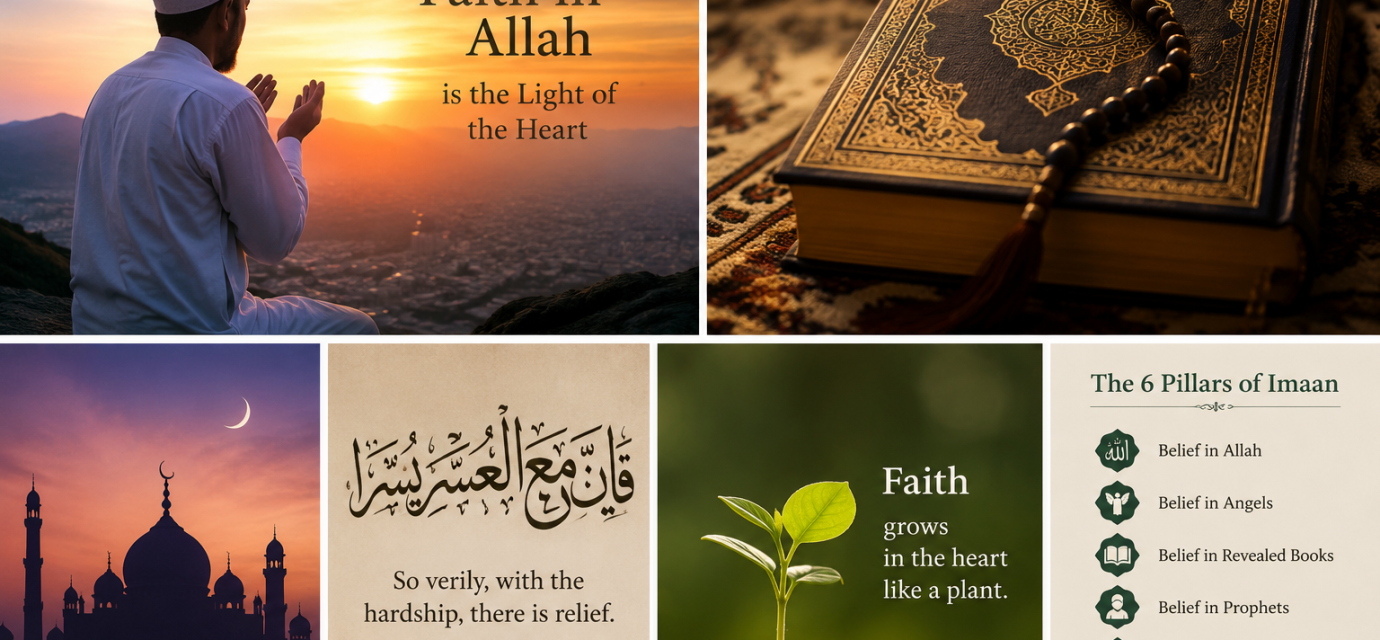
Surah Al-Inshirah (94:5-6) repeats a similar promise twice: “with hardship comes ease.” This repetition is intentional in classical tafsir, emphasizing that relief always follows difficulty, no matter how long the night feels.
Similarly, Surah Az-Zumar (39:53) tells believers never to lose hope in Allah’s mercy, since He forgives all sins for those who turn back to Him sincerely. Read together, these verses form the spiritual foundation of a new beginning in Islam: no failure is permanent, and no morning is wasted if you use it to reset your intention.
The Hadith That Explains Why Mornings Are Blessed
The Prophet Muhammad (PBUH) specifically prayed for blessings in the early hours. He said, “O Allah, bless my nation in their early mornings,” a hadith recorded in Sunan Abu Dawud (2606) and graded hasan by several hadith scholars. As a result, many companions deliberately started their work, travel, and trade in the morning to seek this barakah.
Additionally, Sahih Muslim (2759) narrates that Allah accepts repentance throughout the night and day, “until the sun rises from the west.” This hadith shows that repentance is not a one-time event; it is available every single morning, which is precisely why a new beginning in Islam is always within reach.
A third hadith adds a practical dimension. The Prophet (PBUH) said that whoever wakes up feeling secure at home, healthy in body, and with food for the day is as if he possessed the whole world, as recorded in Jami at-Tirmidhi (2346). This teaches that gratitude, not just ambition, should shape how a believer begins the day.
Two Simple Duas to Start Your Day With Intention
Reciting a short dua after Fajr prayer sets the tone for the rest of the day. Two authentic options work well together.
1. Sayyidul Istighfar (Master Supplication for Forgiveness)
- Transliteration: Allahumma anta Rabbi, la ilaha illa anta, khalaqtani wa ana ‘abduka, wa ana ‘ala ‘ahdika wa wa’dika mastata’tu.
- Meaning: “O Allah, You are my Lord, there is no god but You. You created me, and I am Your servant, and I hold to Your covenant as much as I am able.”
- When recited: Morning and evening, based on Sahih al-Bukhari (6306).
2. Morning Dua of Dominion
- Transliteration: Asbahna wa asbaha al-mulku lillah, walhamdu lillah.
- Meaning: “We have reached the morning, and at this very time all sovereignty belongs to Allah, and all praise is for Allah.”
- When recited: Immediately after Fajr, based on Sahih Muslim (2723).
Together, these duas take under two minutes, yet they directly ask Allah for guidance and gratitude — a fitting way to begin a new beginning in Islam each day.
7 Practical Habits for a New Beginning in Islam Every Morning
Small, consistent actions matter more than dramatic changes that rarely last. The table below gives a quick overview before the full explanation.
| Step | Habit | Purpose |
|---|---|---|
| 1 | Pray Fajr on time | Opens the day with connection to Allah |
| 2 | Recite morning adhkar | Builds protection and gratitude |
| 3 | Make sincere intention (niyyah) | Gives the day spiritual purpose |
| 4 | Set one clear goal | Focuses effort instead of scattering it |
| 5 | Limit phone scrolling | Protects the first hour for what matters |
| 6 | Reach out to family | Strengthens relationships early |
| 7 | Reflect for five minutes | Reviews yesterday’s mistakes honestly |
1. Pray Fajr on time. Fajr anchors the entire day spiritually and typically takes under ten minutes, including wudu.
2. Recite the morning adhkar. A short set of remembrances after Fajr, found in collections like Hisnul Muslim, offers protection and gratitude in just a few minutes.
3. Make a sincere intention. Before starting tasks, pause and silently renew your niyyah, since actions are judged by intention according to Sahih al-Bukhari (1).
4. Set one clear goal. Instead of a long to-do list, choose the single task that matters most today.
5. Limit phone scrolling. Replacing the first 20-30 minutes of screen time with reflection noticeably improves focus, according to many productivity studies.
6. Reach out to family. A short message or call to a parent or sibling strengthens bonds that Islam consistently emphasizes.
7. Reflect for five minutes. Before rushing into the day, briefly review yesterday’s mistakes and plan one small correction.
How the Companions Treated Their Mornings
Early Muslim generations rarely wasted the morning hours. Many companions of the Prophet (PBUH) began trade, travel, and study right after Fajr, directly seeking the barakah mentioned in Sunan Abu Dawud (2606).
This pattern was not accidental. Islamic scholars consistently note that productivity, in the Prophetic model, was never separated from spirituality — a principle that still applies to a new beginning in Islam today, whether the goal is worship, work, or personal growth.
Common Mistakes That Waste This Opportunity
Even sincere believers fall into a few repeated traps. Recognizing them makes a new beginning in Islam easier to sustain.
- Waiting for “the right moment.” Change delayed until next month rarely arrives; today’s Fajr is already the right moment.
- Treating one failure as final. A missed prayer or broken habit does not cancel future chances — repentance remains open, as shown in Sahih Muslim (2759).
- Skipping intention (niyyah). Actions without clear intention lose their spiritual weight, so pause before starting the day.
- Measuring progress only by outcomes. Consistency in small acts of worship matters more in Islam than occasional large gestures.
Reviewed for accuracy against authentic Qur’anic verses and Sahih Hadith sources.
Frequently Asked Questions
What does a new beginning in Islam mean?
It refers to the Islamic teaching that Allah’s mercy and forgiveness renew every day, giving believers a fresh chance to repent and improve regardless of past mistakes.
Does Islam allow repentance for the same sin repeatedly?
Yes. Scholars agree that repentance (tawbah) is accepted every time it is sincere, as long as the sun has not risen from the west, based on Sahih Muslim (2759).
What is the best dua to say in the morning?
Sayyidul Istighfar is widely recommended, recited after Fajr for forgiveness and steadfastness, based on Sahih al-Bukhari (6306).
How can I make my mornings more productive Islamically?
Pray Fajr on time, recite short morning adhkar, set one clear goal, and limit distractions like phone scrolling during the first hour.
Why did the companions value early mornings so much?
They followed the Prophet’s dua for blessings in early mornings, recorded in Sunan Abu Dawud (2606), and often began work or travel right after Fajr to seek that barakah.
Conclusion
A new beginning in Islam is not a rare gift reserved for special days — it arrives every single morning. The Qur’an, the Sunnah, and the Prophet’s own words all confirm that today’s sunrise carries fresh mercy and fresh opportunity.
So instead of waiting for next month or next year, start with today’s Fajr, a short dua, and one clear intention. That is often all a genuine new beginning in Islam requires.
Author Description/Bio:
Written and reviewed by the Explore Islamic World editorial team, following an internal fact-check process against primary sources including Sahih al-Bukhari, Sahih Muslim, Sunan Abu Dawud, Jami at-Tirmidhi, and verified translations of the Qur’an cross-referenced with Sunnah.com.

Comments are closed.
[…] This Morning Might Be the Most Important Morning of Your Lifeby adminJuly 29, 2026 […]
[…] This Morning Might Be the Most Important Morning of Your Lifeby adminJuly 29, 2026 […]